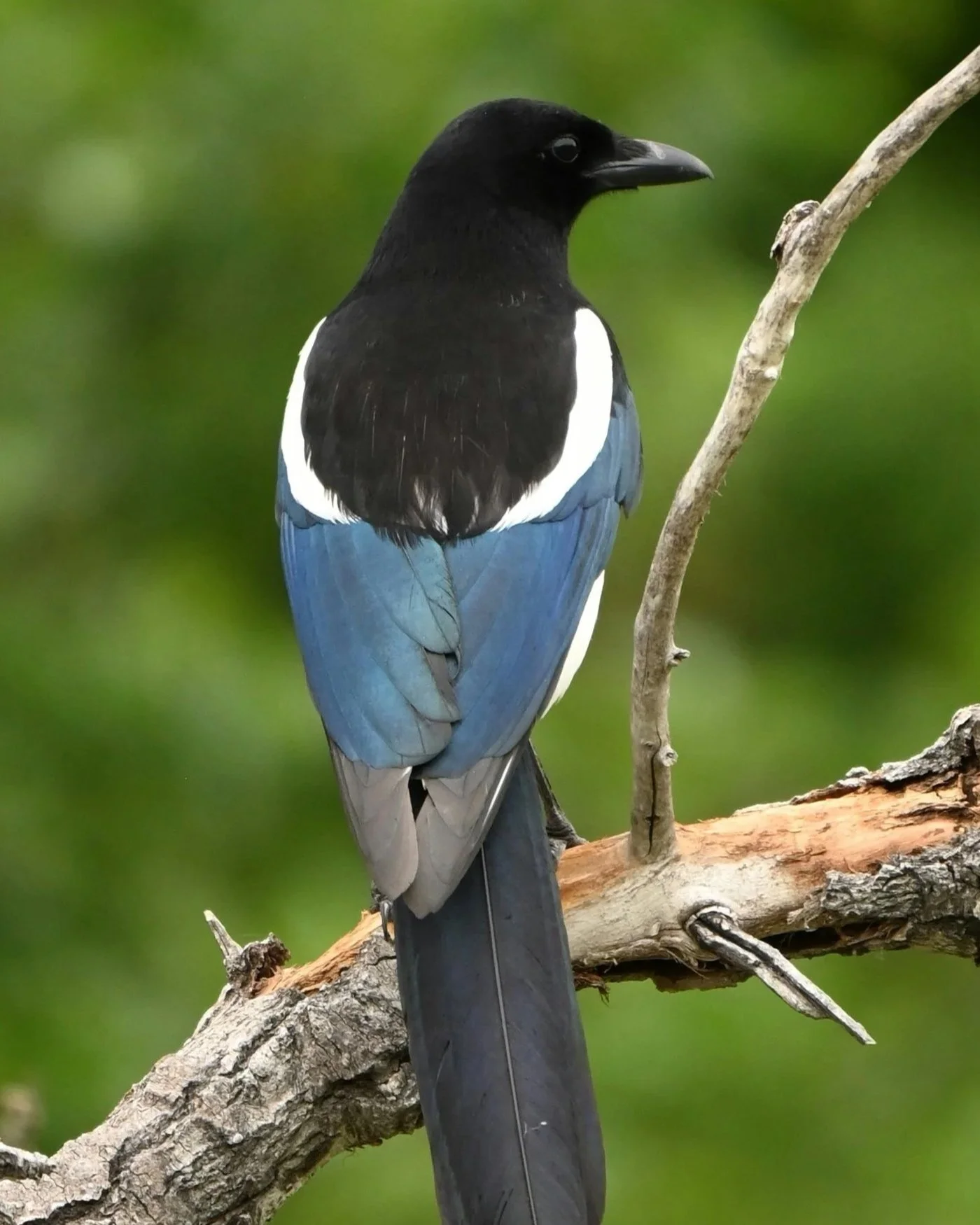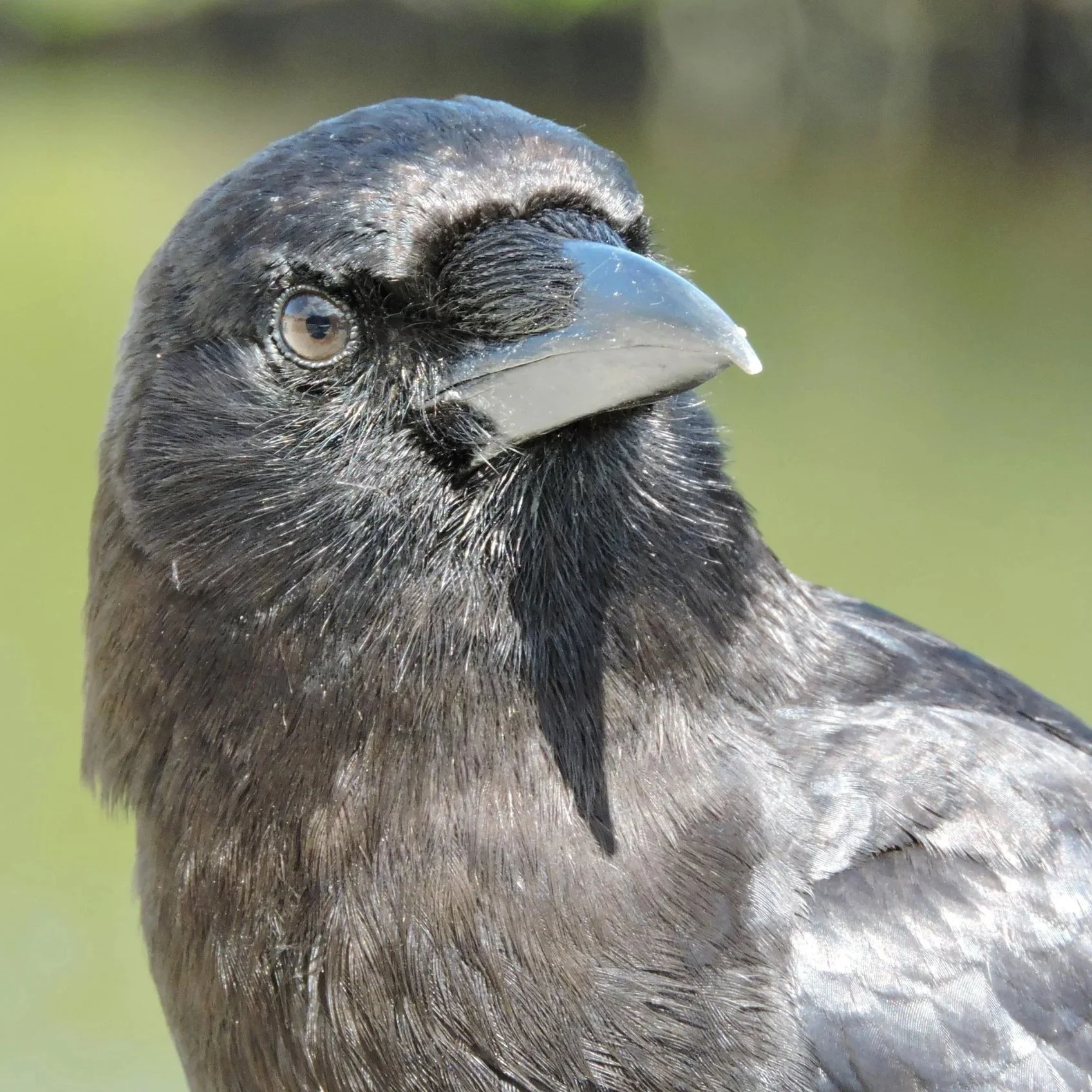
Crows, ravens, jays, magpies, and their relatives belong to the bird family Corvidae. Collectively known as corvids, these birds are found across much of the world and are especially well known for their intelligence, adaptability, complex social lives, and remarkable ability to learn.
Corvids are observant and resourceful problem-solvers. Some species use tools, recognize individual human faces, store food for later, learn from one another, and alter their behavior based on past experiences. Many also form strong family and social bonds and use an impressive variety of calls, gestures, and behaviors to communicate.
Their adaptability allows corvids to thrive in environments ranging from remote forests, deserts, and mountains to farmland, neighborhoods, and busy cities—often living remarkably close to people.
CLEVER & CRAFTY
COMMON CORVIDS
The corvid family includes more than 120 species worldwide. From familiar backyard crows and jays to ravens, magpies, and other colorful relatives, corvids vary considerably in appearance and habitat while sharing many of the traits that make this family so fascinating.
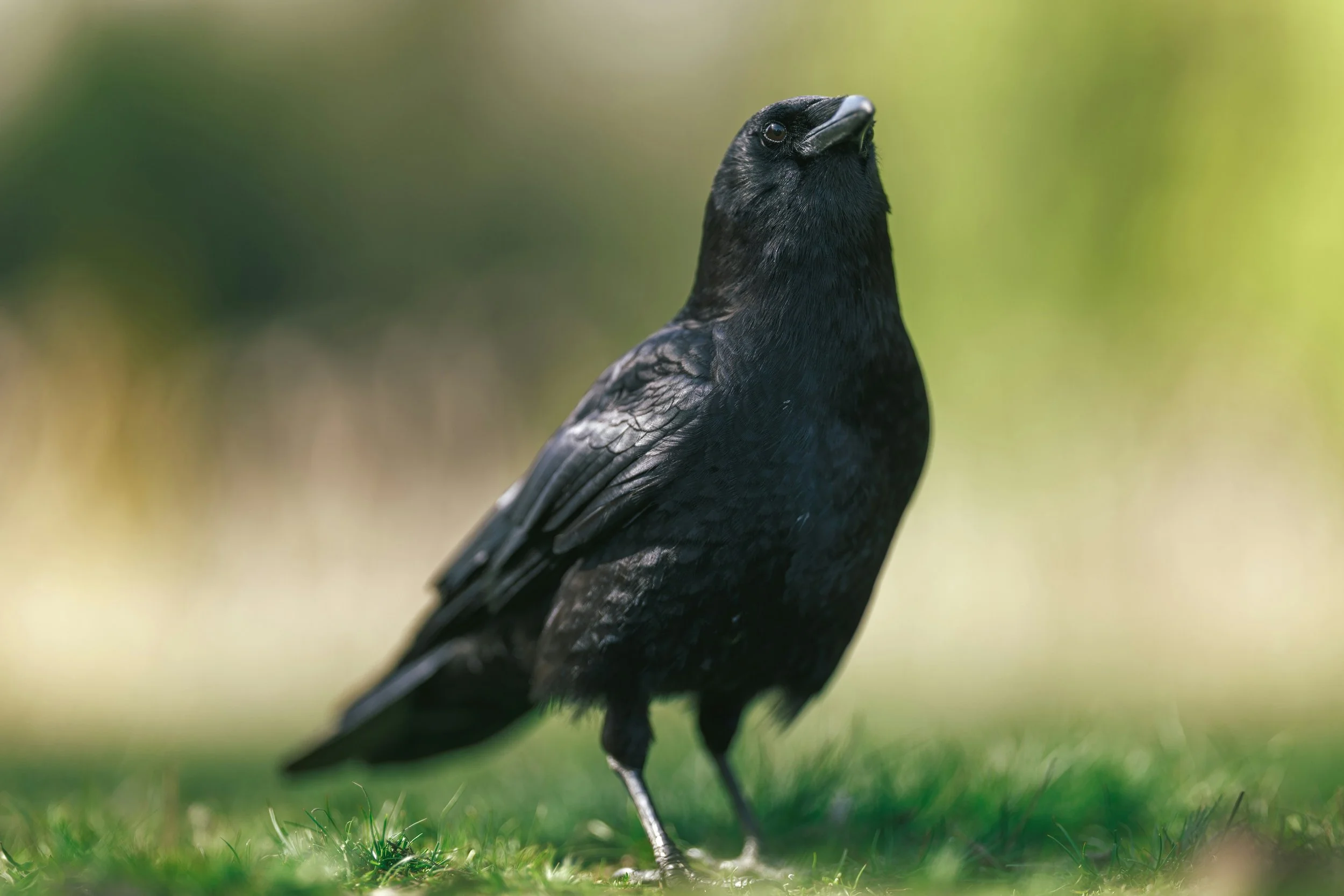
AMERICAN CROW
Corvus brachyrhynchos
A highly intelligent, social bird found throughout much of North America. American Crows often live in extended family groups and adapt remarkably well to life around people.
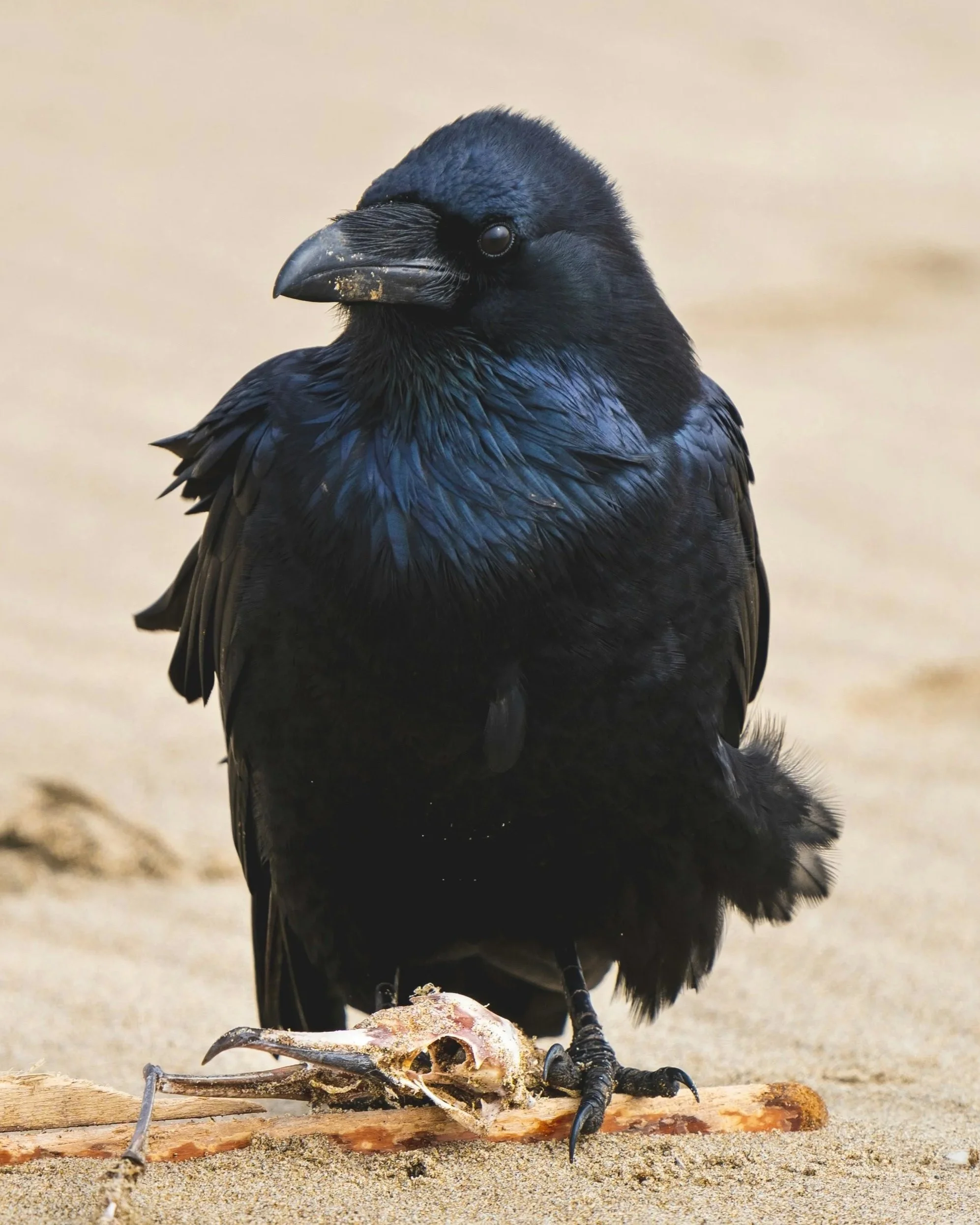
FISH CROW
Corvus ossifragus
A smaller relative of the American Crow, best distinguished by its distinctive nasal call. Fish Crows are common around waterways and coastal areas but increasingly inhabit inland and urban environments.
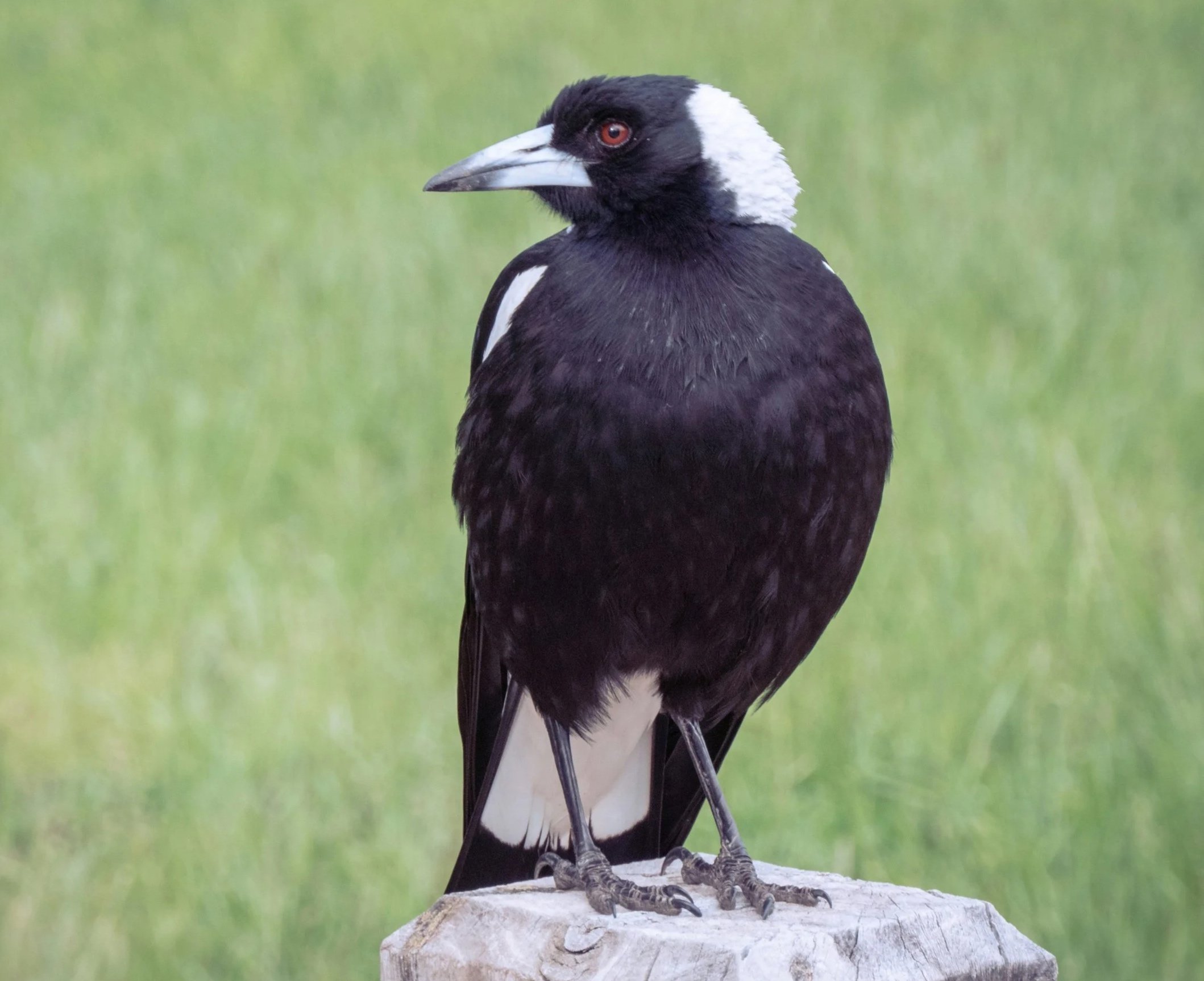
BLACK-BILLED MAGPIE
Pica hudsonia
A striking black-and-white corvid with an exceptionally long tail, common across western North America. Curious and opportunistic, it thrives in open country, farmland, and developed areas.
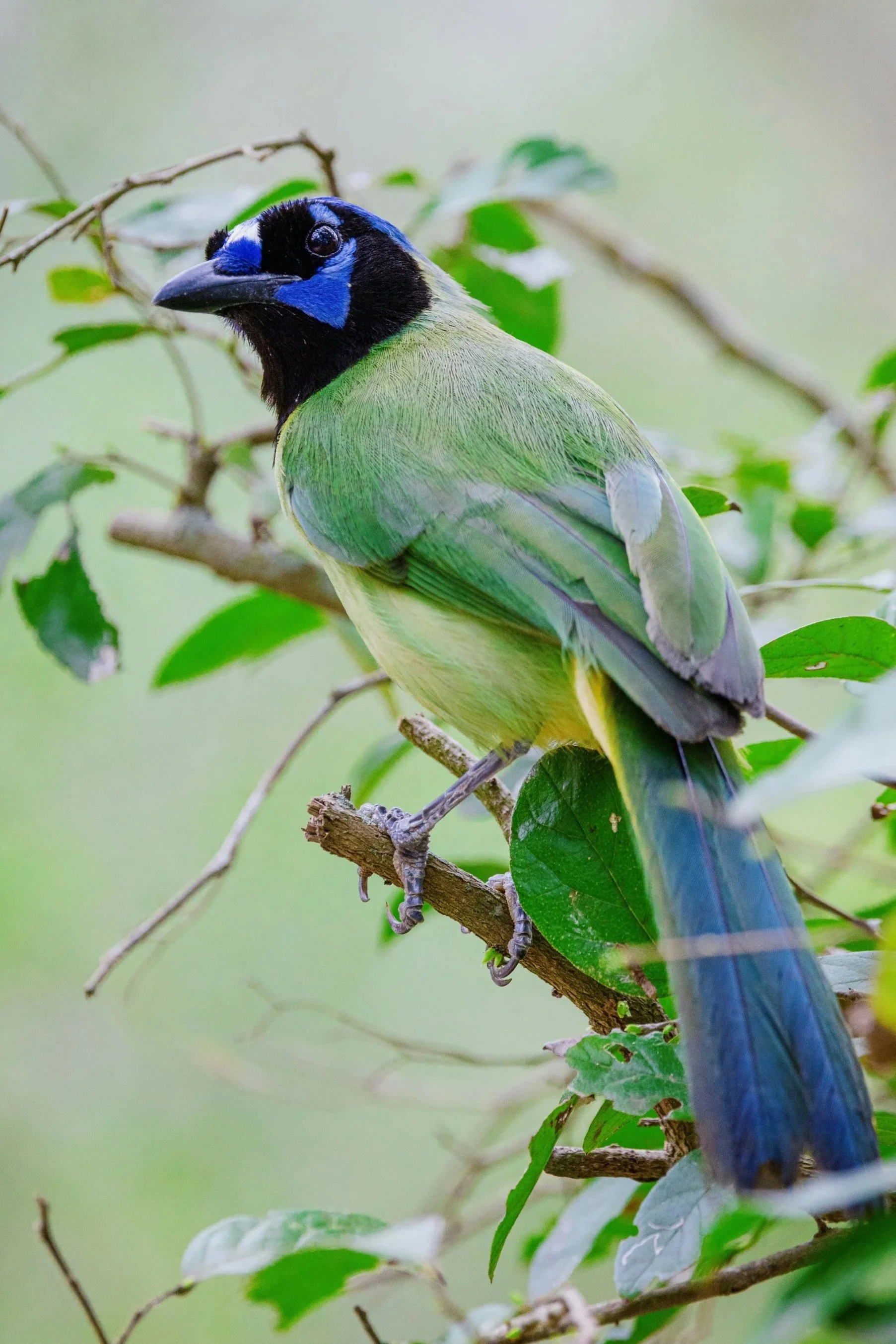
GREEN JAY
Cyanocorax yncas
A brilliantly colored green, blue, black, and yellow corvid found from southern Texas through Mexico and farther south. Green Jays are social, curious, and resourceful foragers.
A large, highly intelligent corvid found across much of the Northern Hemisphere. Ravens are known for complex communication, problem-solving, playful behavior, and strong pair bonds.
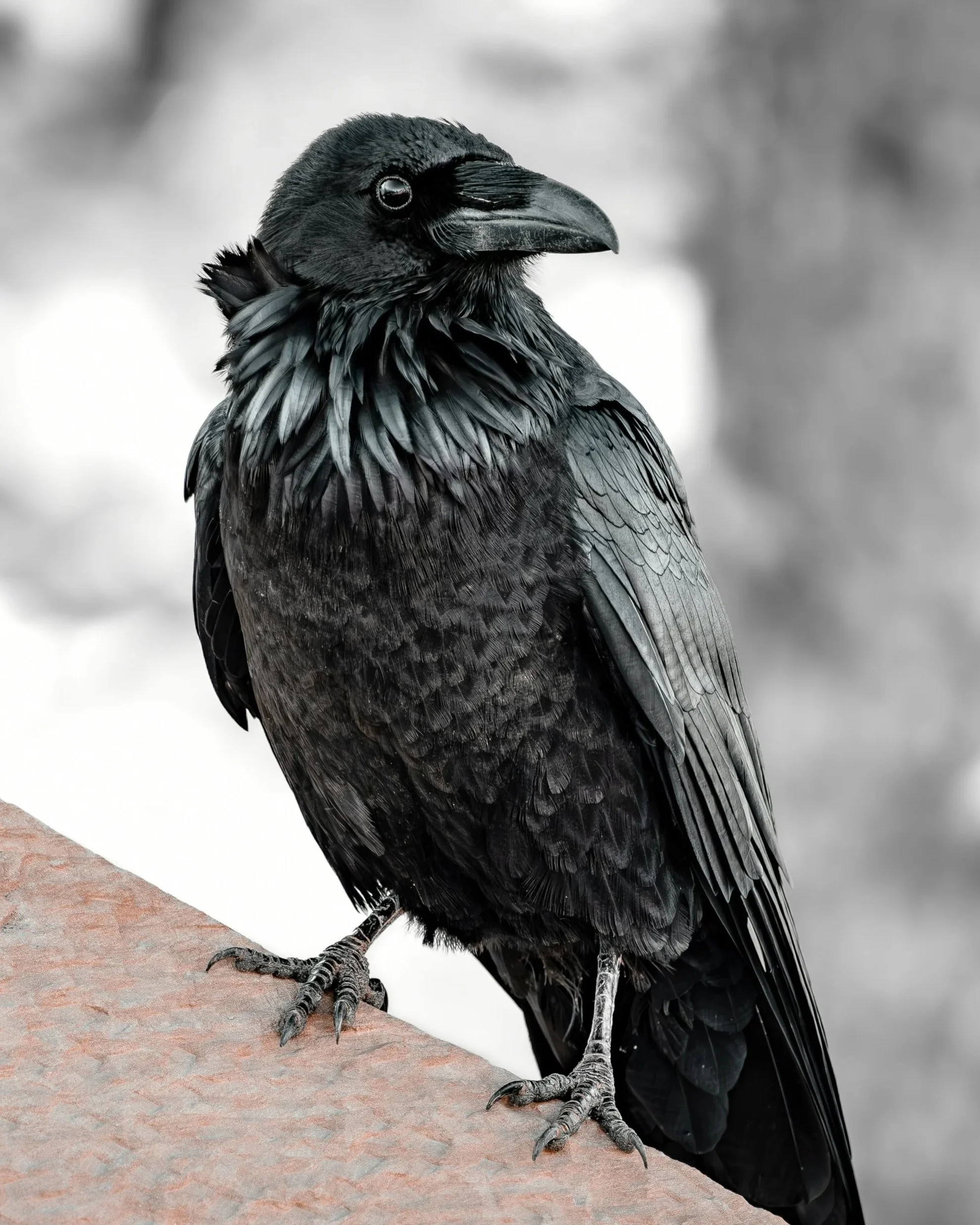
COMMON RAVEN
Corvus corax
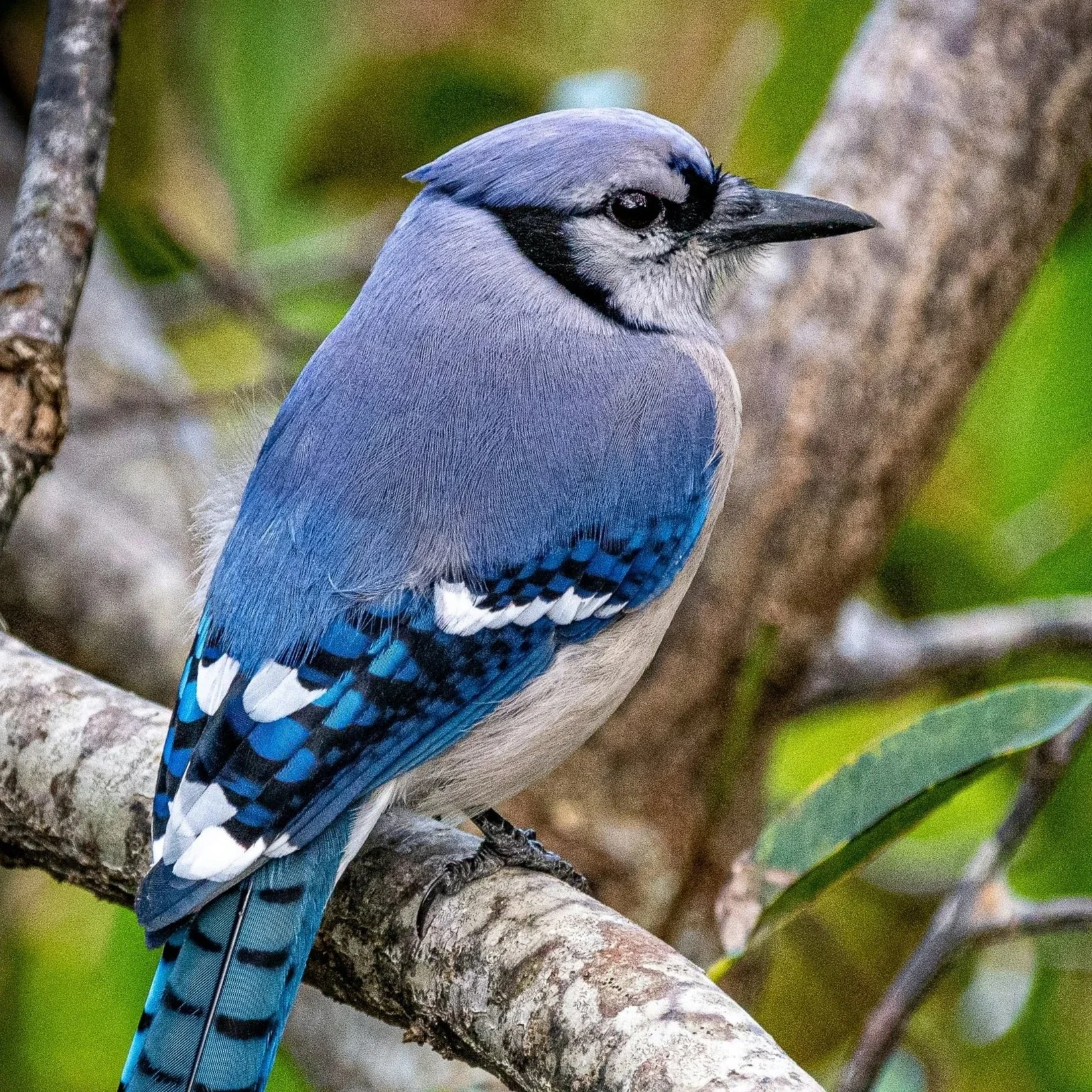
A bold, vocal corvid widespread across eastern and central North America. Blue Jays cache acorns and other foods, helping disperse seeds and regenerate forests.
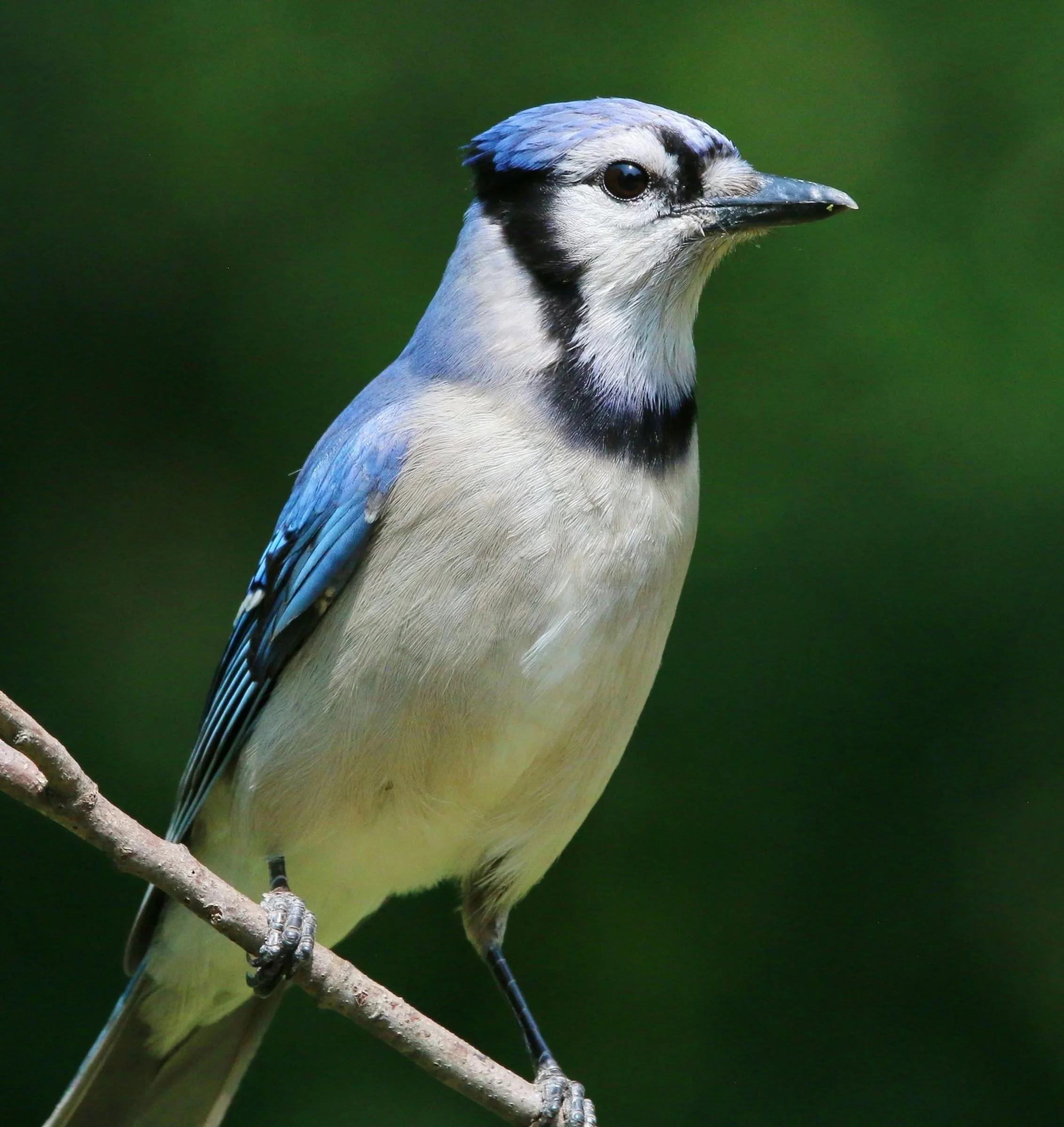
BLUE JAY
Cyanocitta cristata
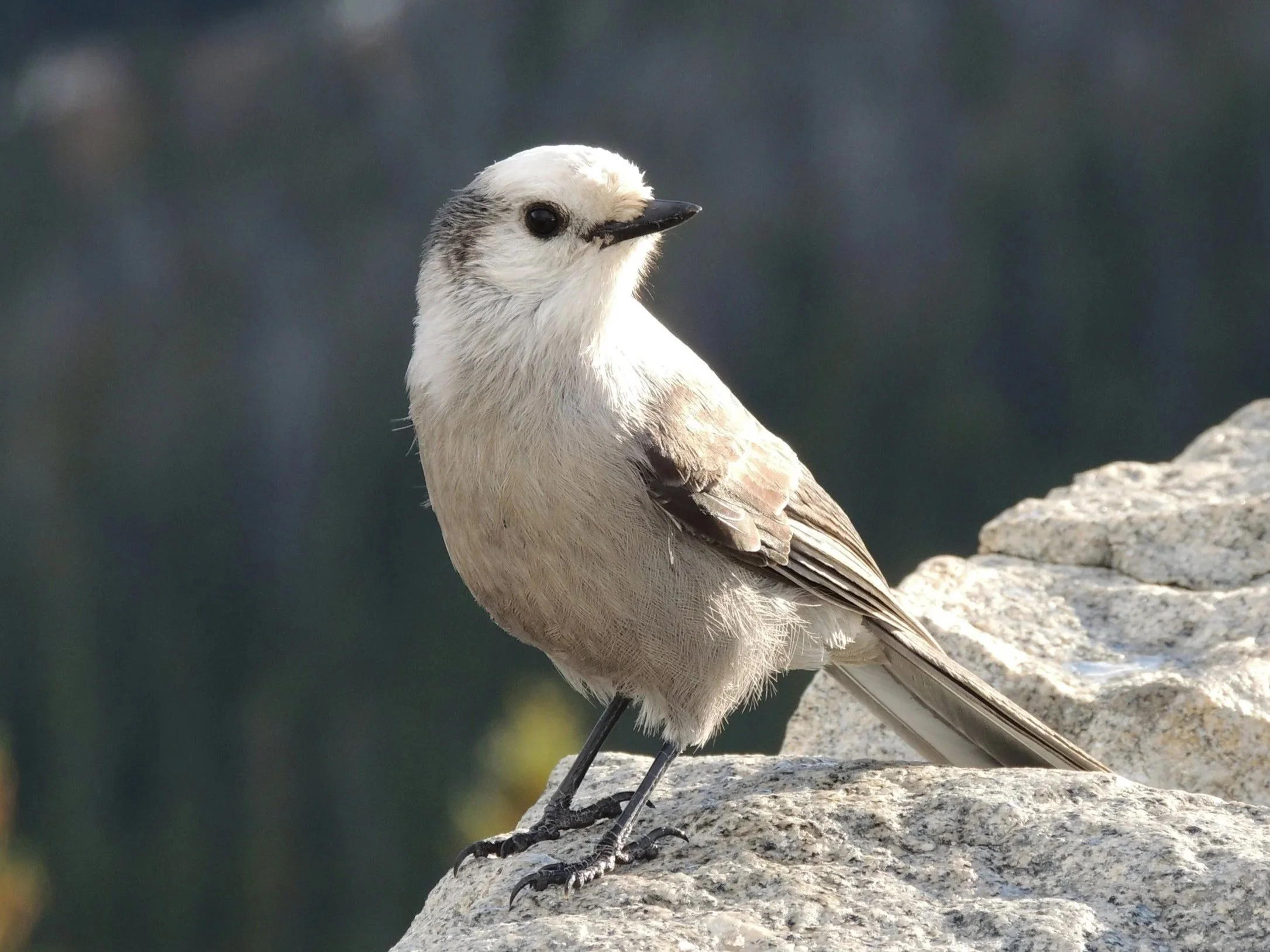
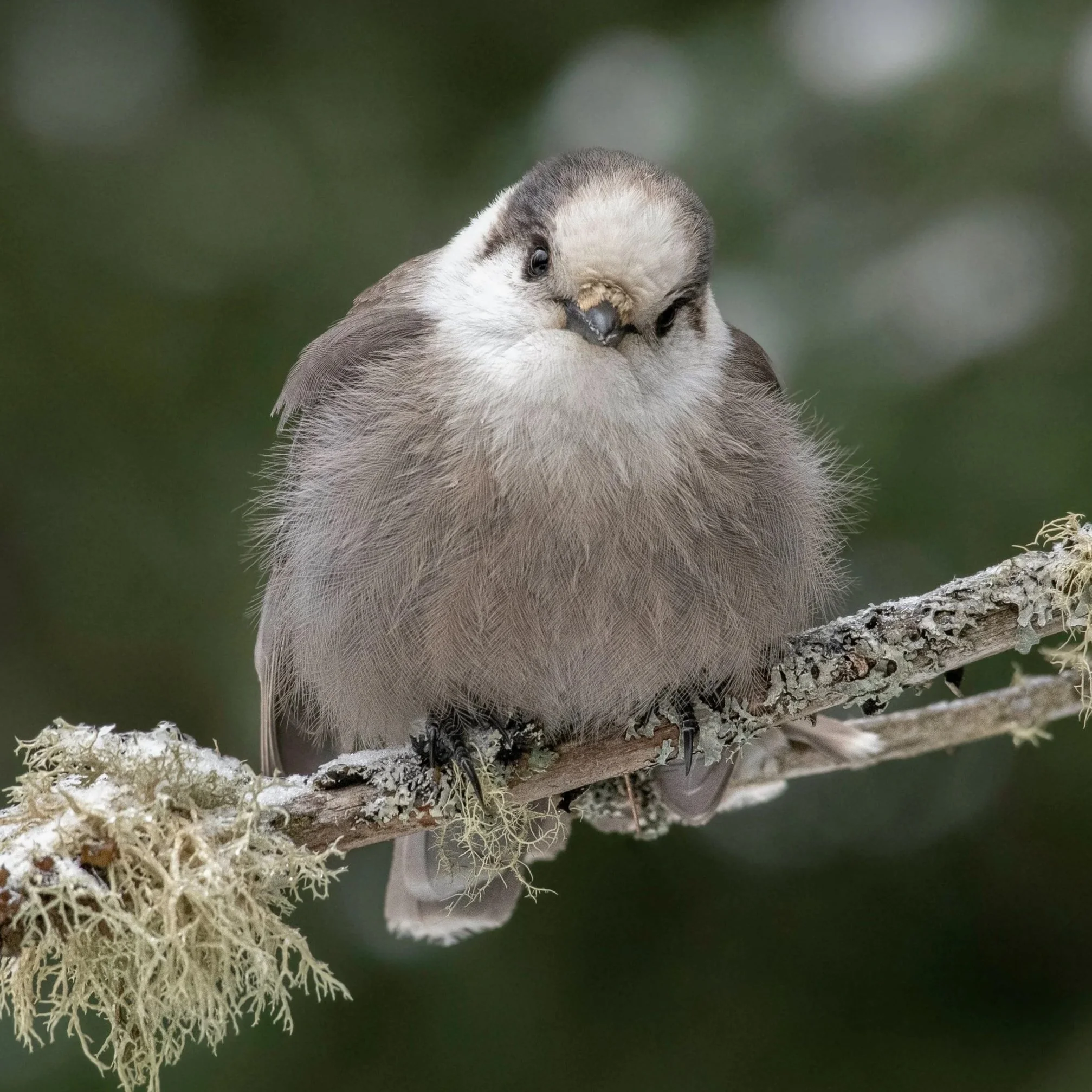
A hardy bird of northern and high-elevation forests. Canada Jays store food beneath bark and lichens, creating caches that help sustain them through long winters.
CANADA JAY
Perisoreus canadensis
FACT OR FICTION?
-
FACT. Corvids demonstrate sophisticated problem-solving, memory, social learning, planning, and, in some species, tool use. Their cognitive abilities can be surprisingly complex despite bird brains being structured differently from mammalian brains.
-
FACT. associated with threatening experiences. They may retain these memories for years, and other crows can learn about potential threats through social interactions.
-
FICTION. Although closely related, ravens and crows are distinct species. Common Ravens are generally larger than American Crows and have heavier bills, shaggy throat feathers, and wedge-shaped tails. Their voices, social behaviors, and flight patterns also differ.
-
FICTION. The brilliant blue we see is largely the result of microscopic structures within the feathers interacting with light, a phenomenon known as structural coloration. If the feather's structure is altered or light cannot pass through it normally, the blue disappears.
-
FACT. Tool use is especially well documented in species such as the New Caledonian Crow, which can fashion sticks and other materials into tools to retrieve food. Corvids have even demonstrated the ability to select or modify tools appropriate for a particular task.
-
SORT OF: Crows sometimes gather around a dead crow, calling loudly and attracting others. While these gatherings are often called “crow funerals,” research suggests they may serve an important learning function, allowing crows to investigate the situation and identify potential dangers.
-
FICTION: While crows and ravens are famous for their glossy black plumage, the corvid family includes brilliantly colored birds such as Blue Jays, Green Jays, and several species of magpies.
WHY corvids MATTER.
Corvids help keep ecosystems healthy by dispersing seeds, scavenging carrion, and contributing to food webs. Their remarkable intelligence and complex social lives also offer insight into animal cognition. Understanding their natural behaviors helps us appreciate these fascinating birds, coexist with them, and recognize when wildlife truly needs our help.