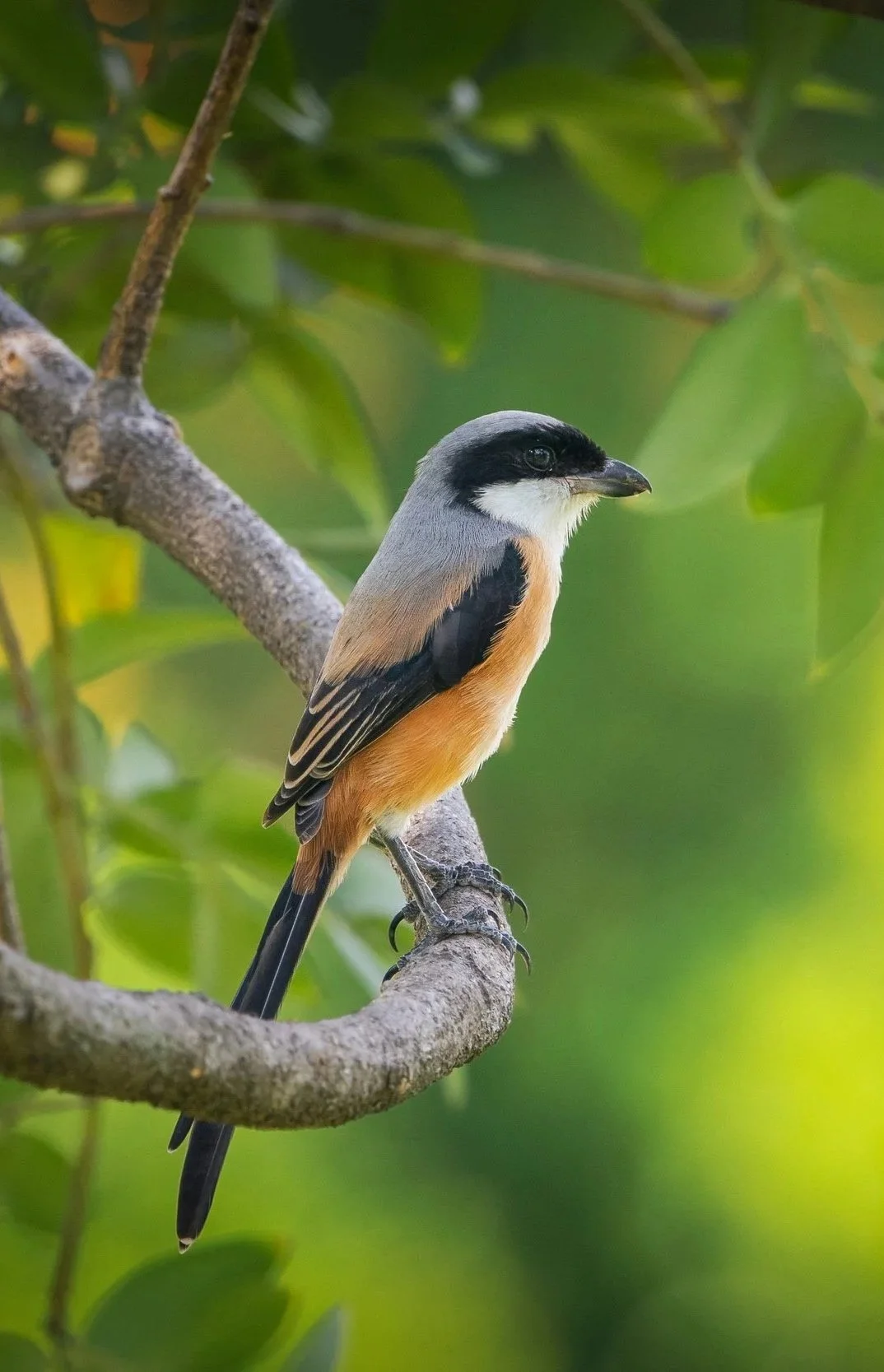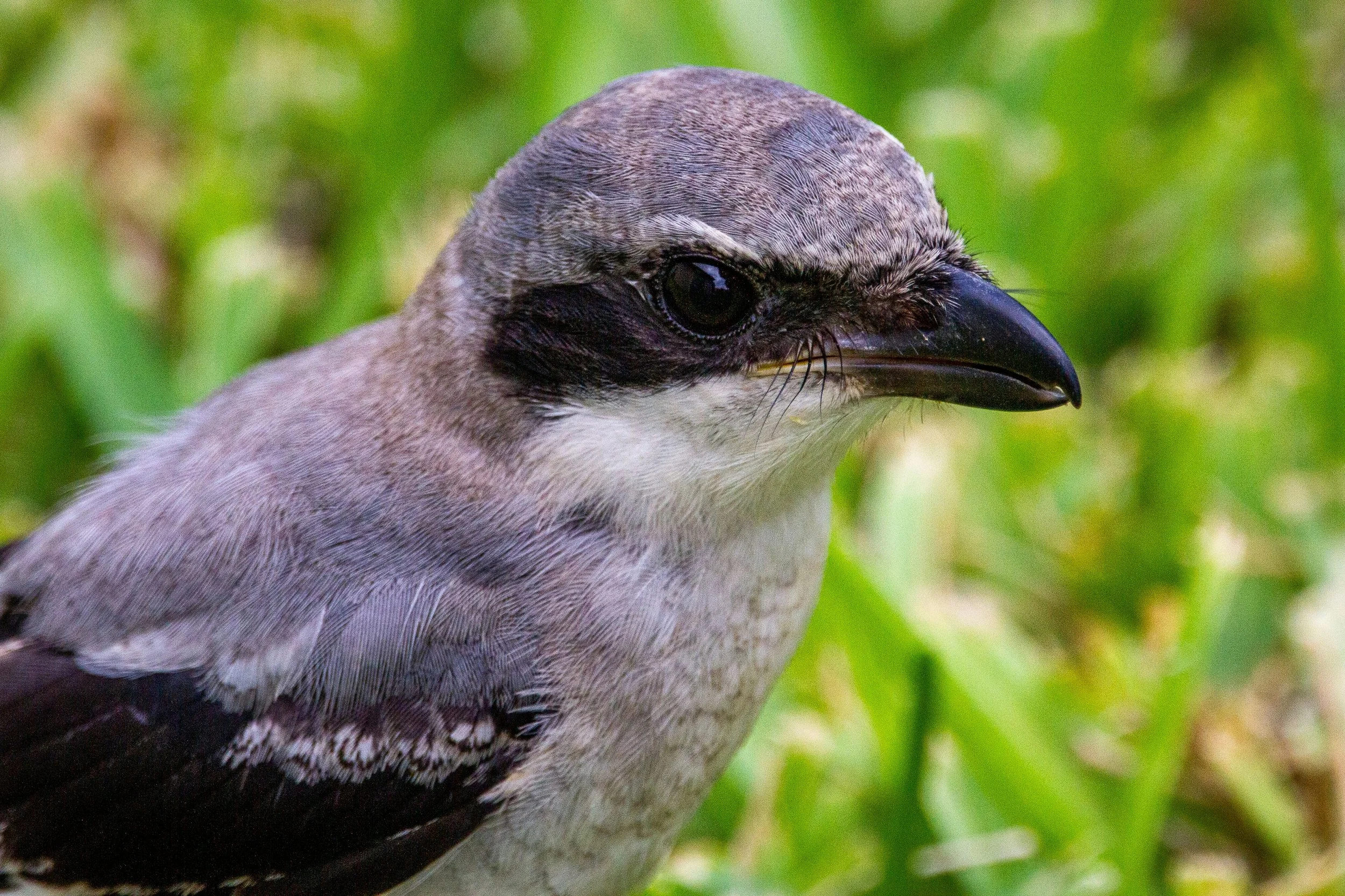
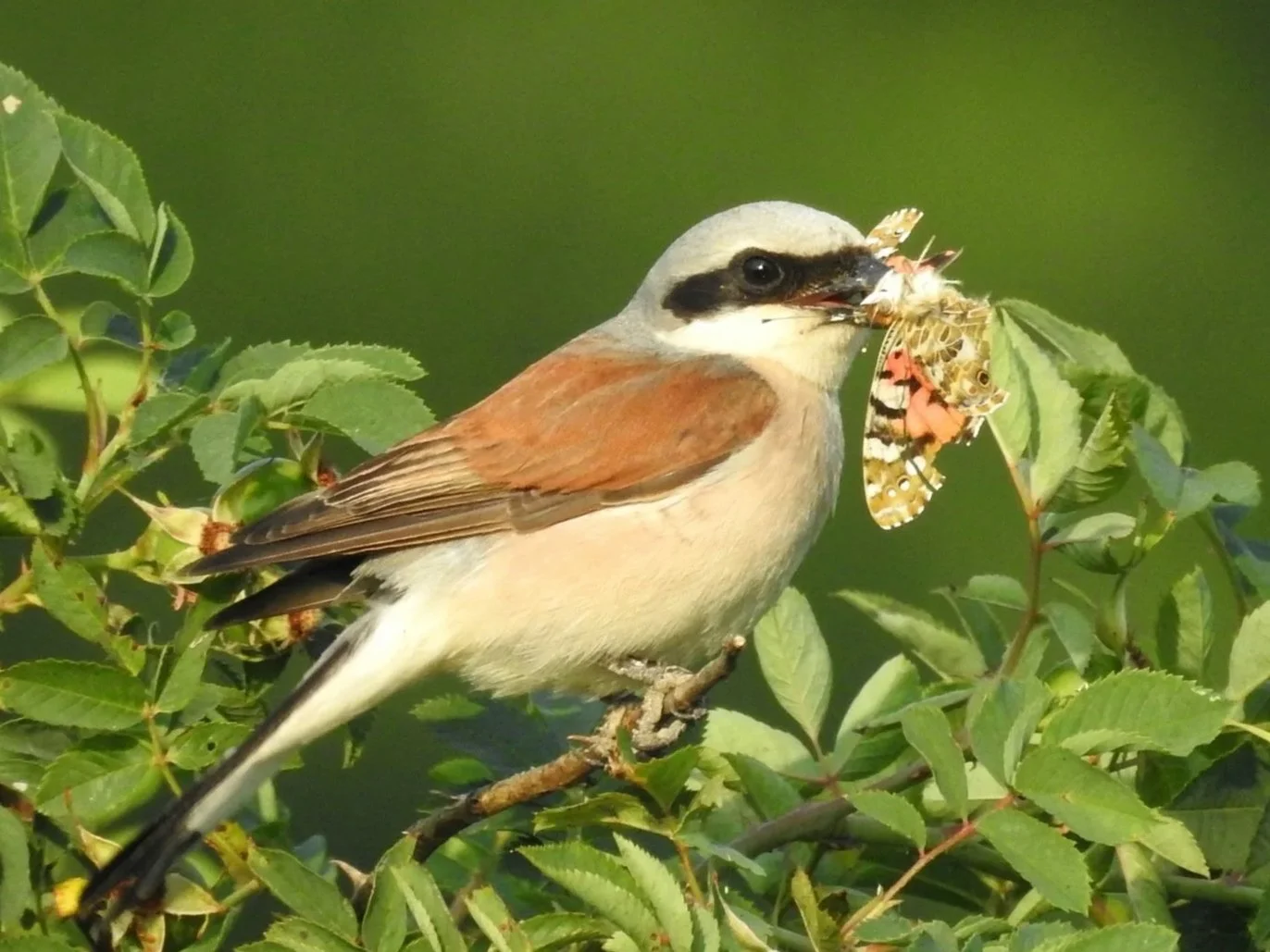
Shrikes are small-to-medium songbirds with an unexpected predatory side. Equipped with hooked bills but lacking the powerful talons of hawks and falcons, shrikes capture insects, rodents, reptiles, and even other birds, sometimes impaling their prey on thorns or barbed wire for easier feeding or to save for later.
SMALL BUT MIGHTY
TYPES OF SHRIKES
Only two shrike species regularly occur in North America, and both belong to the family Laniidae.
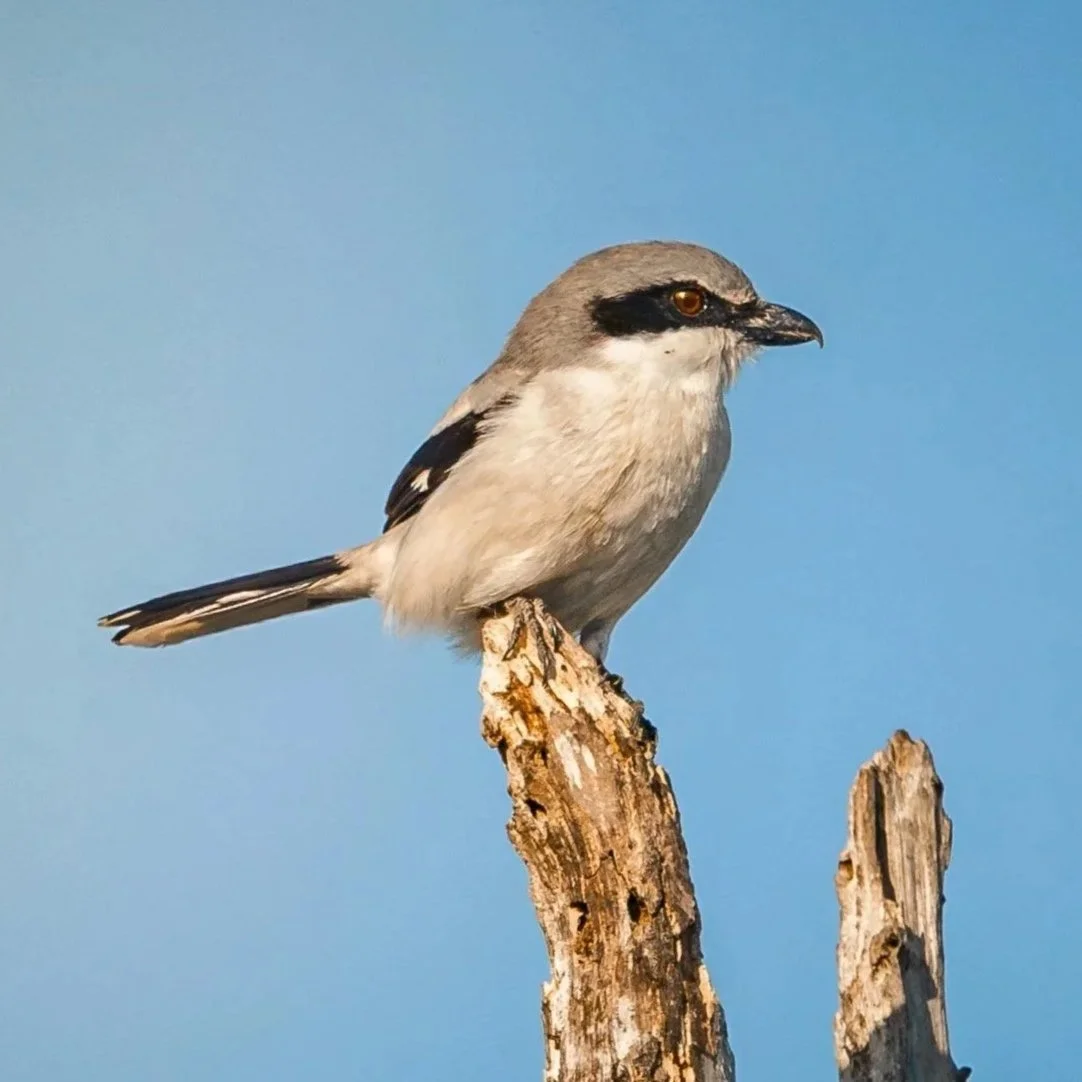
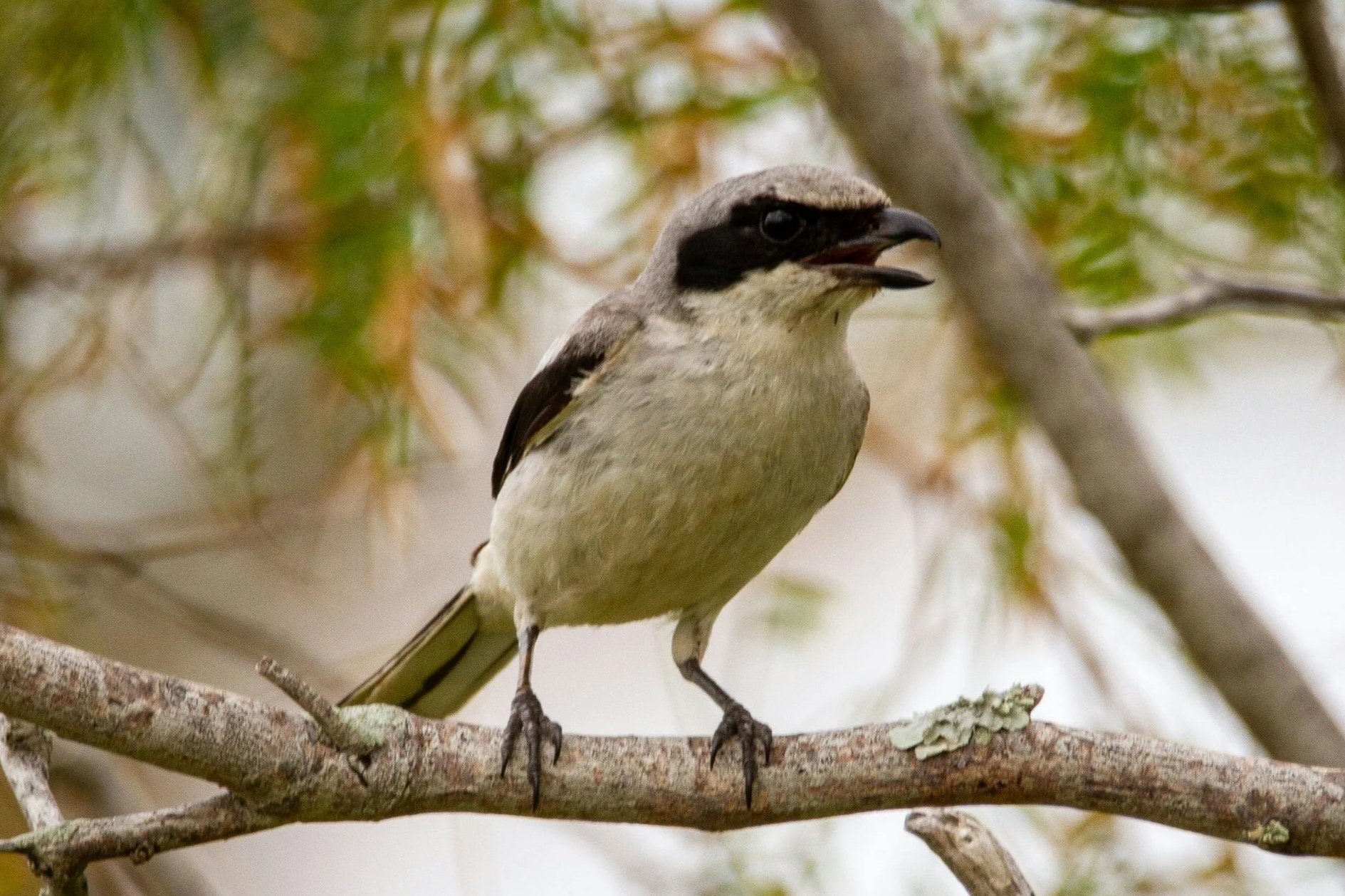
LOGGERHEAD SHRIKE
(Lanius ludovicianus)
A gray, black, and white songbird with a bold black mask. It favors open habitats where it hunts from exposed perches.
A northern species that may move south during winter. Slightly larger than the Loggerhead, it hunts birds, rodents, and insects in open country.
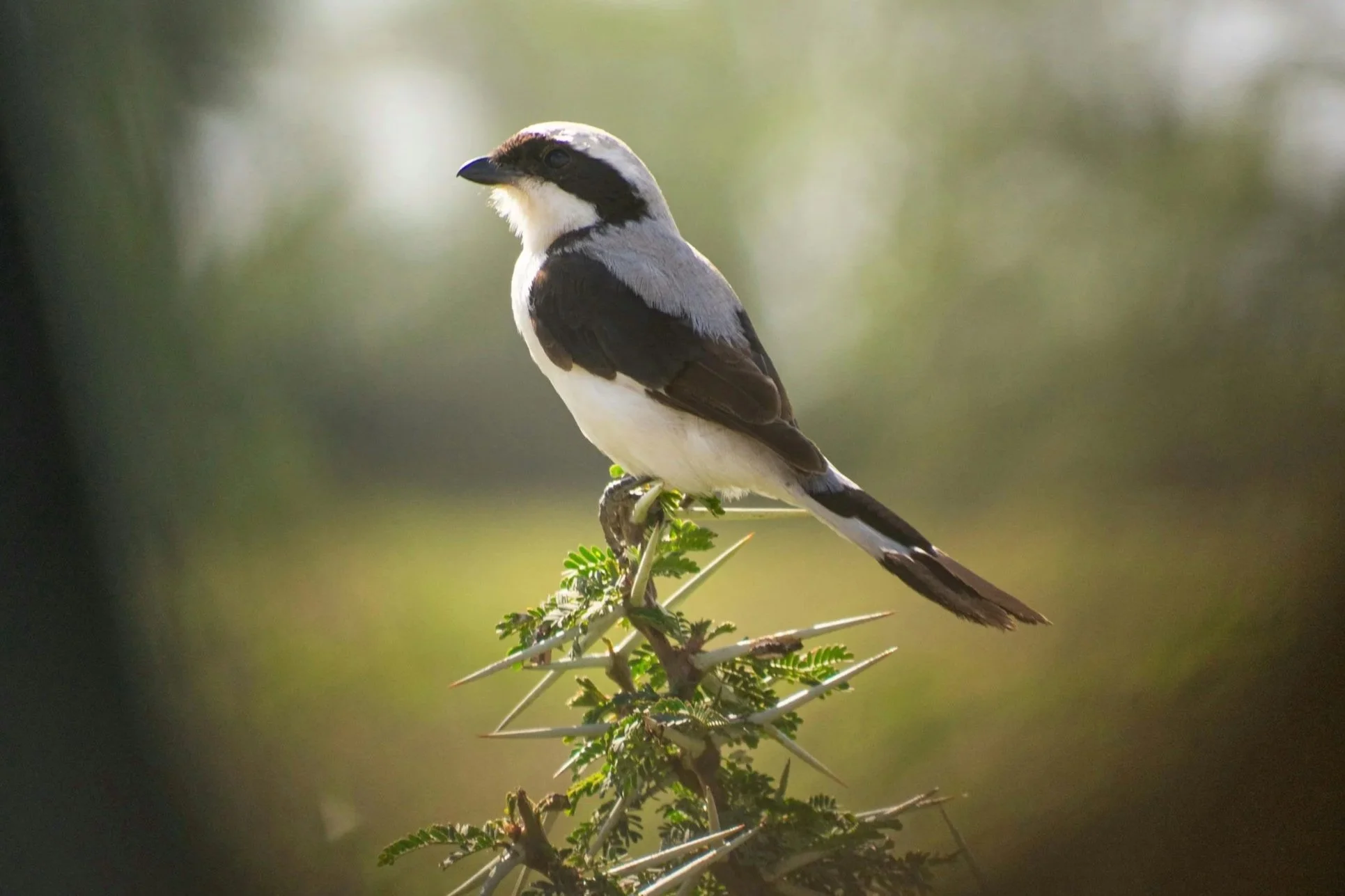
NORTHERN PINTAIL
(Lanius borealis)
FACT OR FICTION?
-
FICTION. Shrikes behave like miniature raptors, but they are actually songbirds. They belong to the order Passeriformes rather than the raptor groups that include hawks, eagles, and falcons.
-
FACT. Shrikes wedge or impale prey on thorns, sharp branches, or even barbed wire. This helps compensate for their relatively weak feet and can also create a food cache for later.
-
FICTION. Insects make up an important part of their diet, but shrikes also capture small mammals, reptiles, amphibians, and birds.
-
FACT. The hooked tip helps shrikes grasp and tear food. Their bills also have specialized projections that help them dispatch vertebrate prey.
-
FACT. An impaled mouse or insect isn't necessarily forgotten. Shrikes create food caches that they can return to when food is needed.
-
FACT: Despite their ability to live in agricultural and other open landscapes, Loggerhead Shrikes have experienced substantial population declines, making conservation of suitable habitat increasingly important.
WHY SHRIKES MATTER.
Shrikes help regulate populations of insects and small animals and are an important part of open-country food webs. Their decline also makes them valuable indicators of habitat health. Protecting the grasslands, pastures, and open woodlands shrikes depend on benefits many other species that share these disappearing habitats.