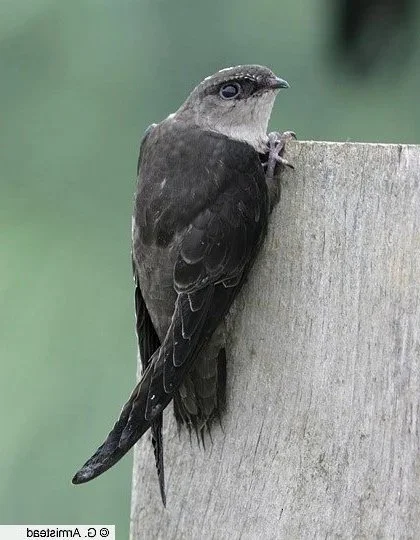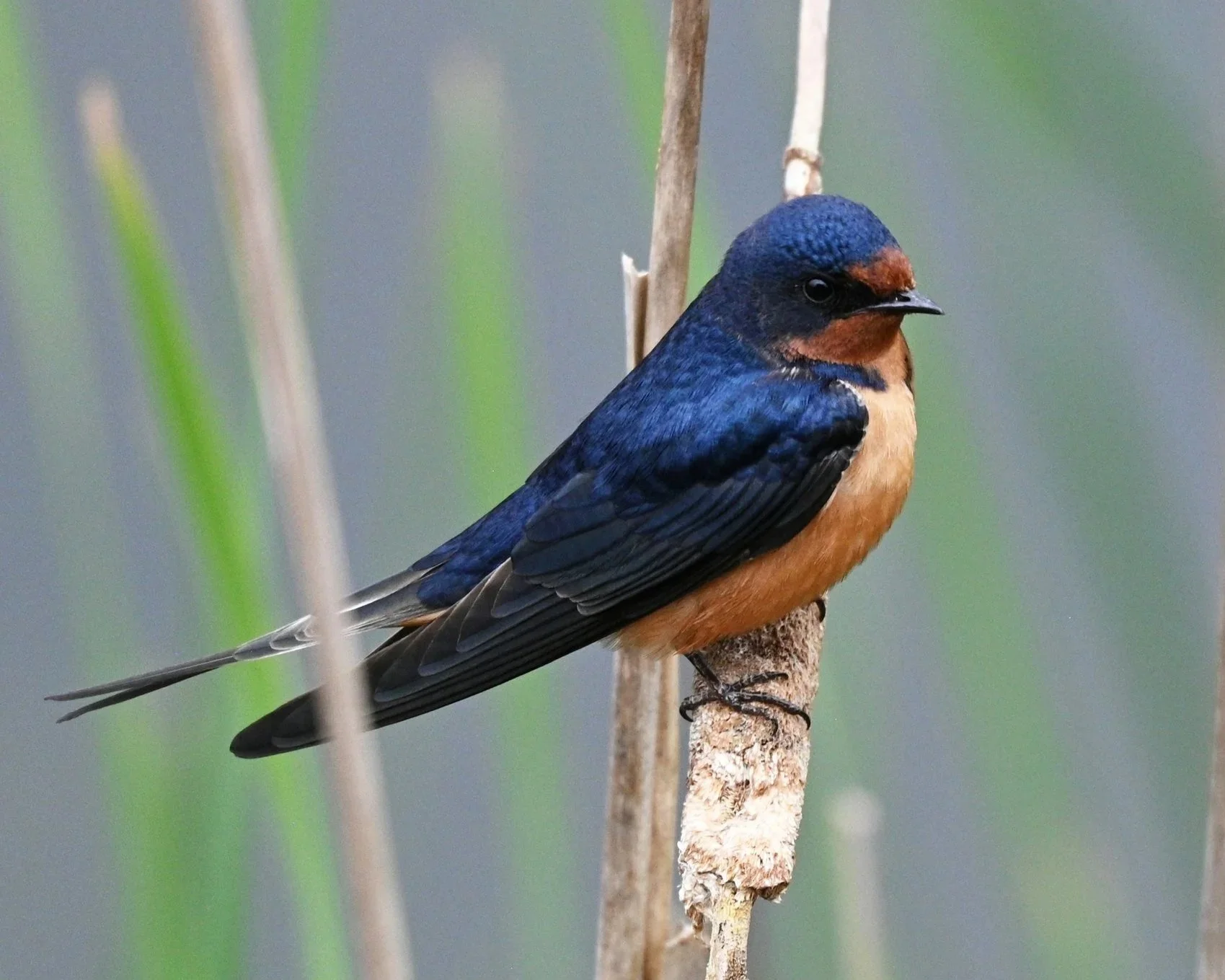
Swifts and swallows may look and behave alike, but they aren't close relatives. Both are remarkable aerial specialists, spending much of their time in flight as they chase insects through the air. Their long wings, streamlined bodies, and acrobatic flight make them some of the most impressive insect hunters in the sky.
BORN TO FLY
COMMON SWIFTS & SWALLOWS
Swifts belong to the family Apodidae, while swallows and martins belong to Hirundinidae. Their similarities are a wonderful example of unrelated animals evolving similar adaptations for the same way of life.
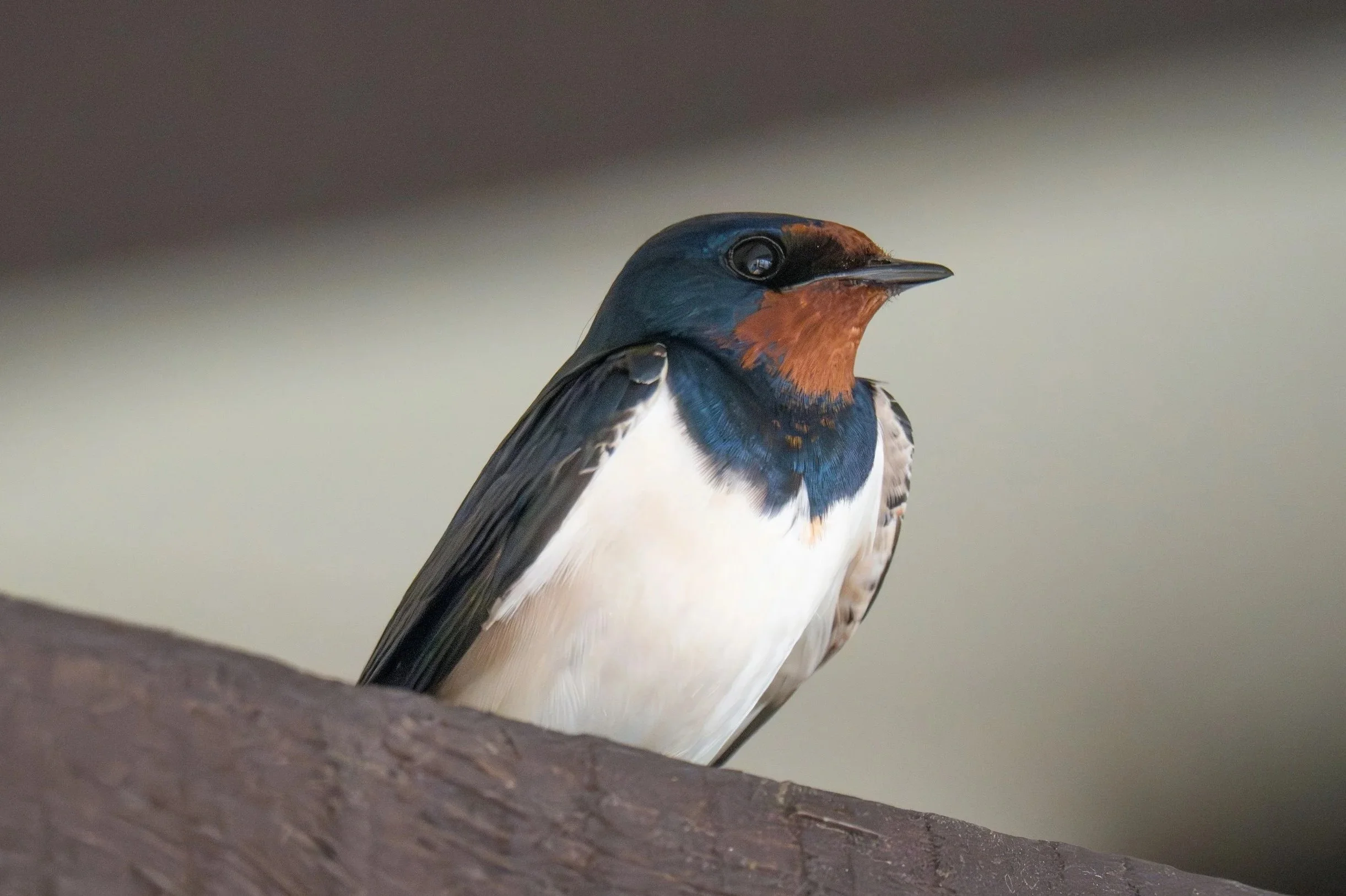
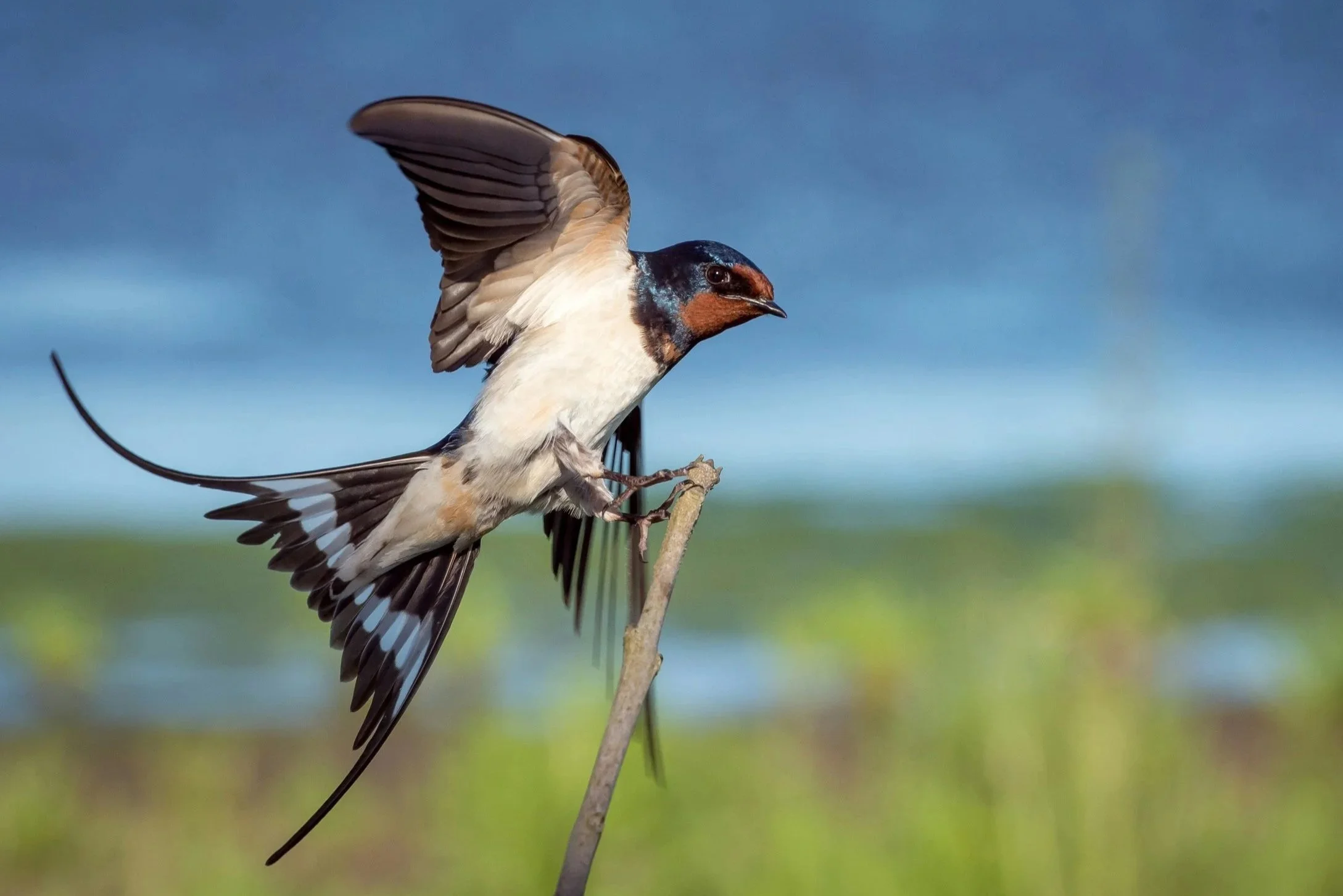
BARN SWALLOW
(Hirundo rustica)
Recognizable by its deeply forked tail and rusty underparts. Barn Swallows commonly nest on human-made structures and hunt insects on the wing.
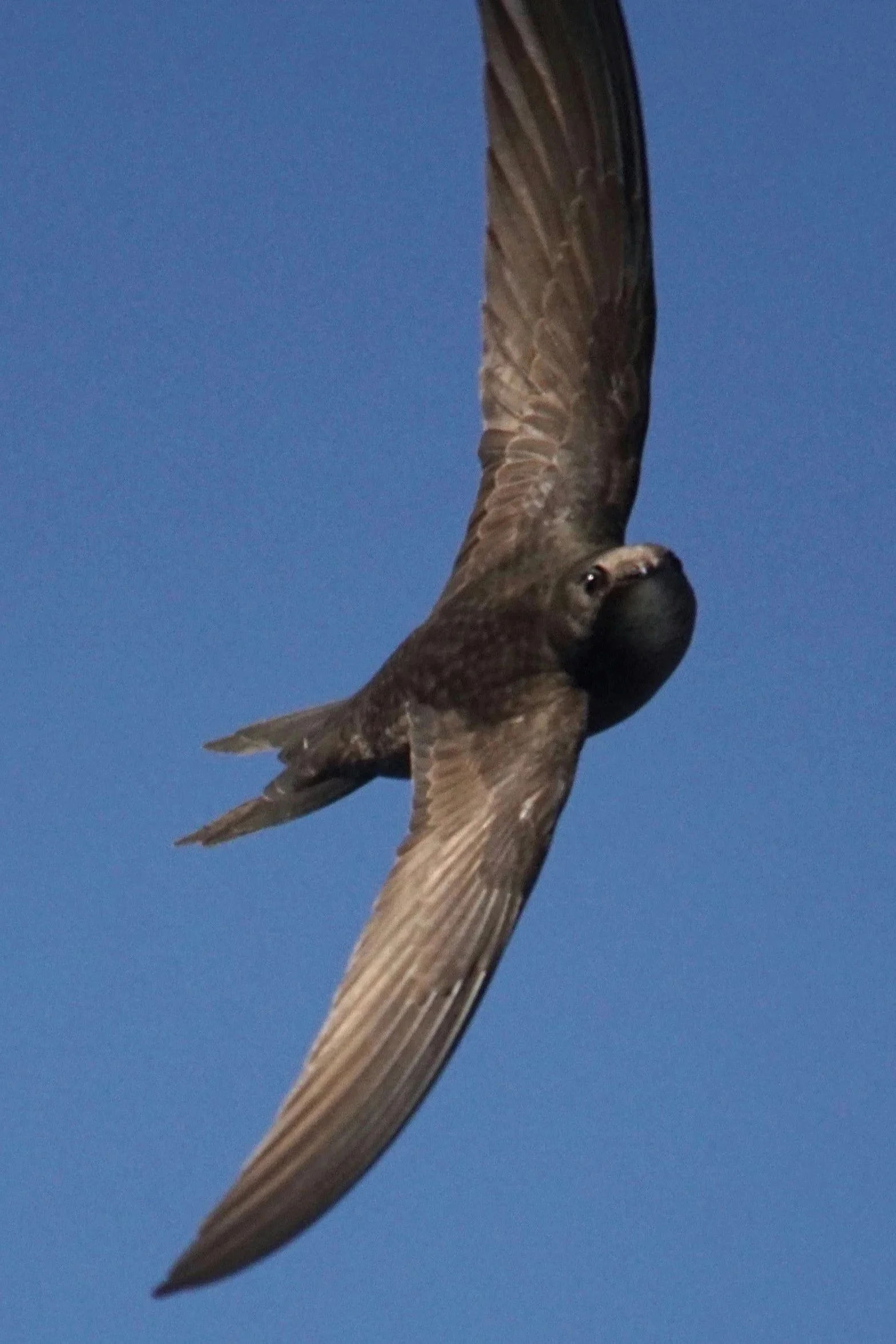
CHIMNEY SWIFT
(Chaetura pelagica)
A small, dark swift that spends nearly its entire day in flight. It nests and roosts in chimneys and other vertical structures.
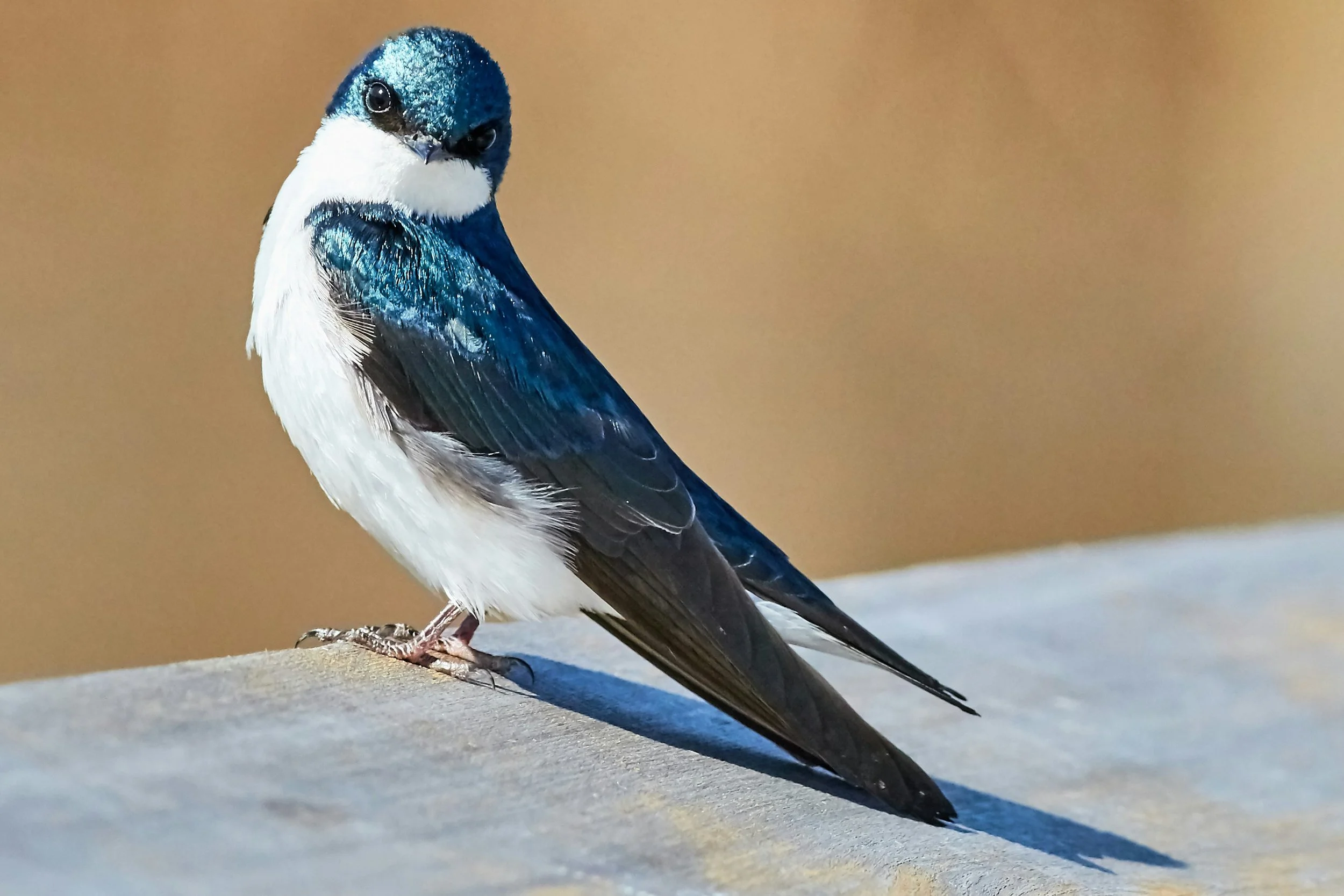
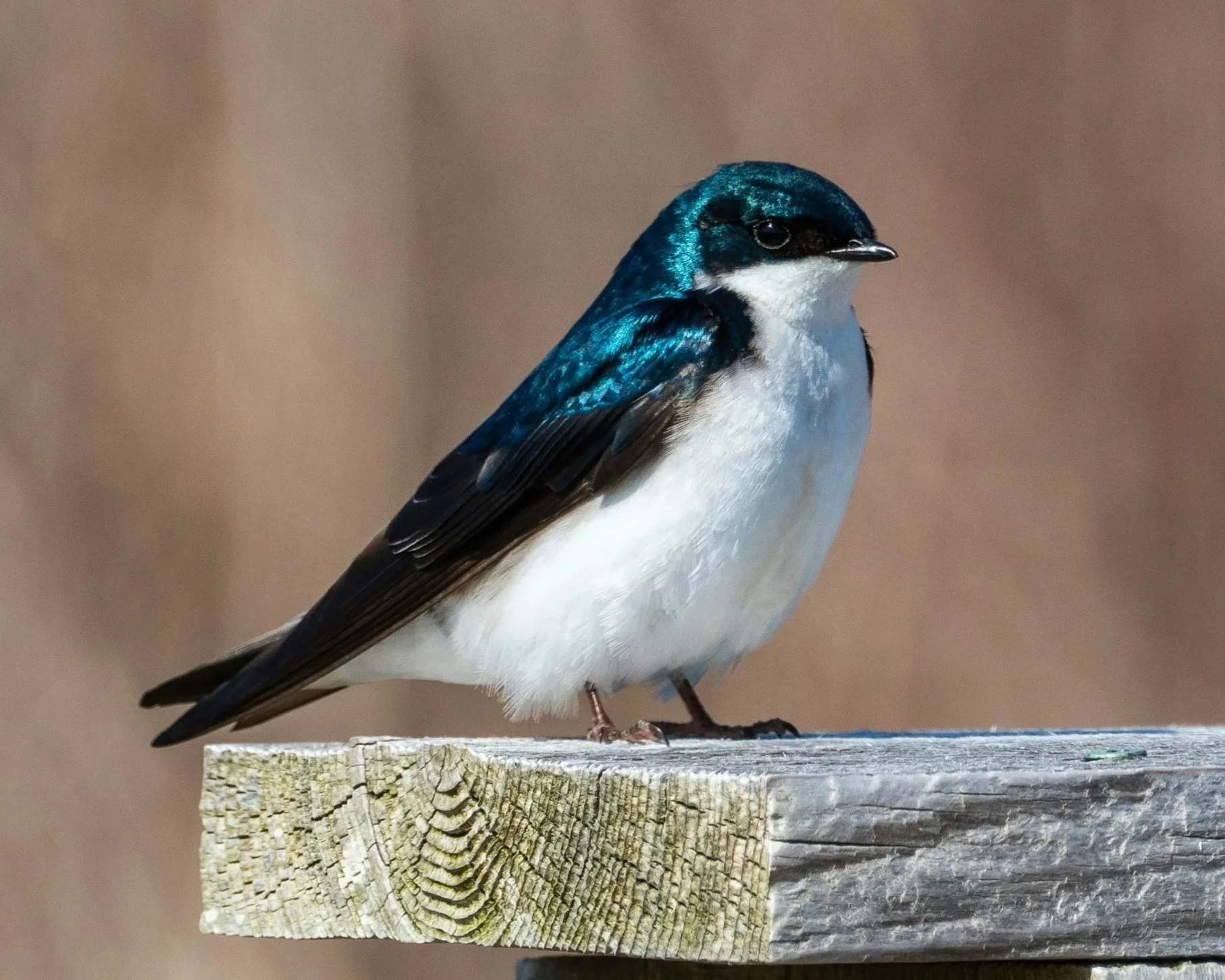
TREE SWALLOW
(Tachycineta bicolor)
A sleek blue-green and white swallow commonly found near fields and wetlands. Unlike many swallows, it also eats berries, helping it tolerate colder conditions.
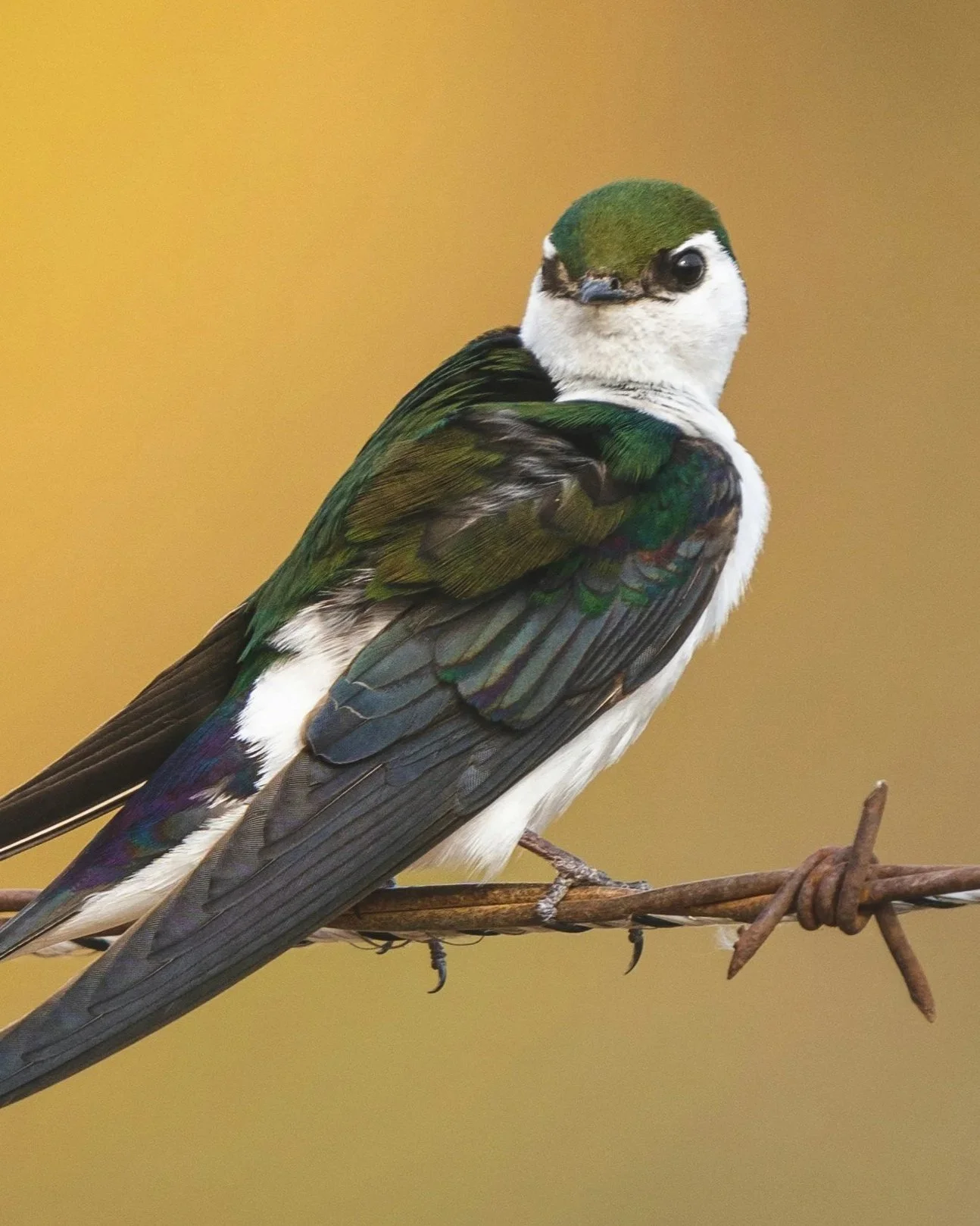
VIOLET-GREEN SWALLOW
(Tachycineta thalassina.)
A colorful western swallow with iridescent green and violet plumage. It nests in cavities and hunts flying insects over open habitats.
North America's largest swallow, with adult males sporting glossy purple-black plumage. In eastern North America, they rely heavily on human-provided nesting houses.
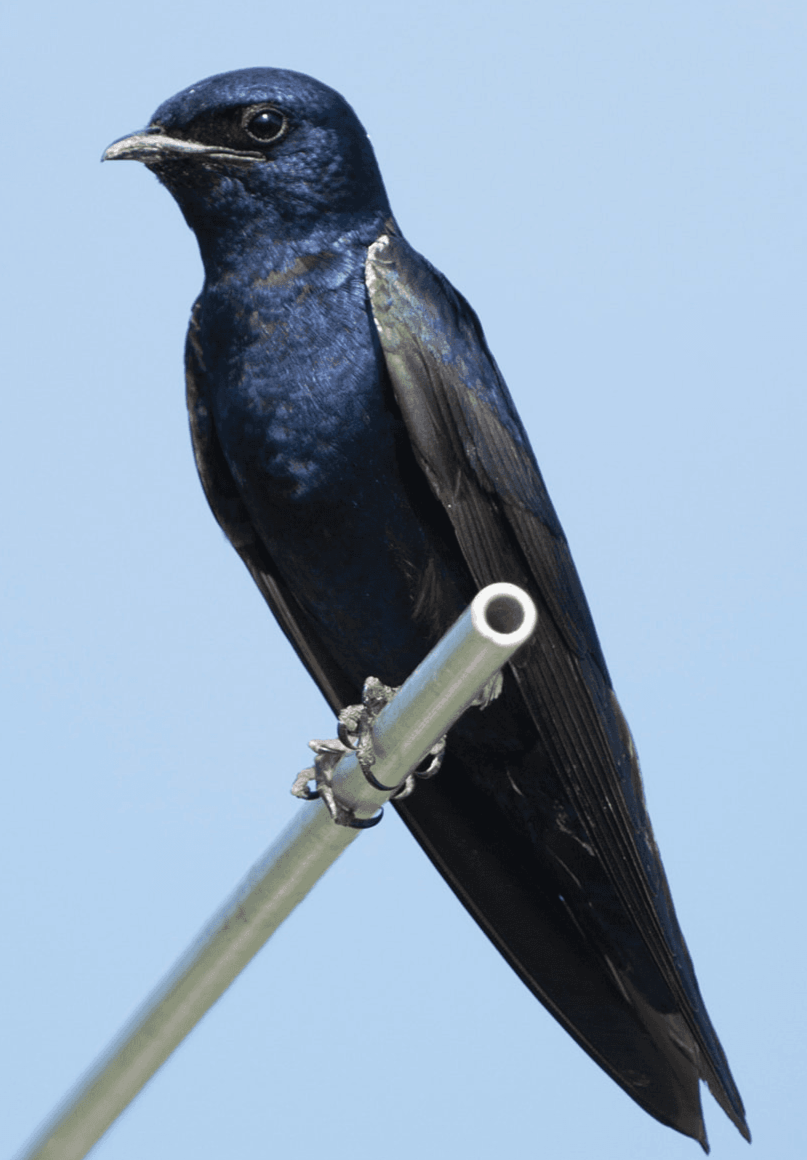
PURPLE MARTIN
(Progne subis)
A highly social swallow that builds distinctive gourd-shaped mud nests. Large colonies often form beneath bridges, cliffs, and buildings.
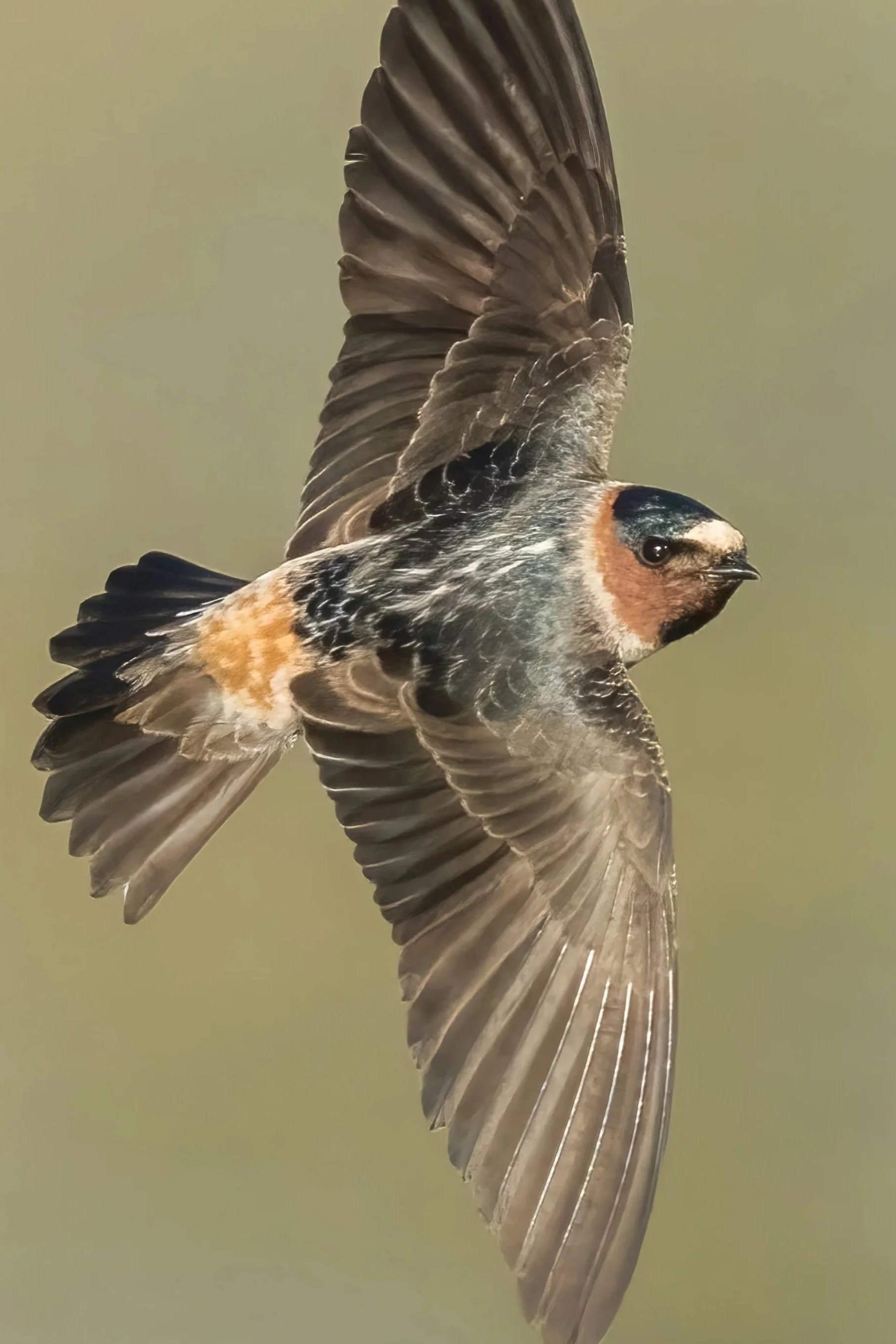
CLIFF SWALLOW
(Petrochelidon pyrrhonota)
A modest brown-and-white swallow often seen near water. It typically nests in burrows or cavities in banks and other vertical surfaces.
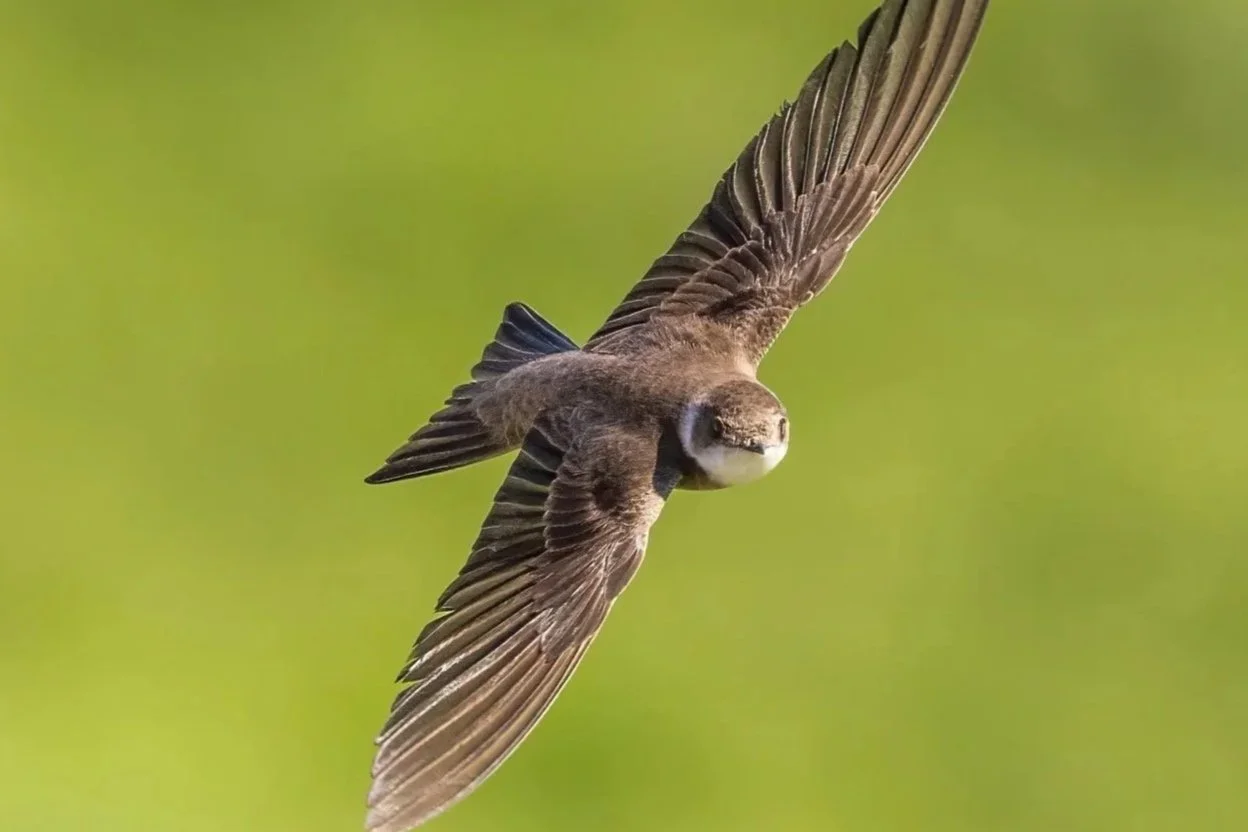
NORTHERN ROUGH-WINGED SWALLOW
(Stelgidopteryx serripennis)
FACT OR FICTION?
-
FICTION. Their similar appearance is the result of convergent evolution. Swifts are actually more closely related to hummingbirds than they are to swallows.
-
FACT. Their specialized feet allow them to cling to rough vertical surfaces inside chimneys and hollow trees. Unlike most birds, they aren't built for comfortably perching on horizontal branches.
-
FICTION, MOSTLY. Swallows certainly eat flying insects, including some mosquitoes, but claims that an individual bird consumes thousands of mosquitoes every day are exaggerated.
-
FACT. Barn and Cliff Swallows collect small amounts of mud and shape them into remarkably sturdy nests, often attached to buildings, bridges, or cliffs.
-
NOT QUITE. Some swift species are capable of remaining airborne for extraordinary lengths of time, and evidence suggests certain swifts may sleep while aloft. However, this shouldn't be generalized to every swift species..
-
FACT, IN MOST OF THE EAST: Eastern Purple Martins now nest almost exclusively in human-provided houses and gourds, creating an unusual relationship between people and a wild bird.
WHY SWIFTS AND SWALLOWS MATTER.
Swifts and swallows consume enormous numbers of flying insects and are important parts of aerial food webs. Many also depend on buildings, chimneys, bridges, and nest boxes for nesting or roosting, making human tolerance especially important. Learning about them helps us protect both the birds and the places they need to raise their young and rest during migration.