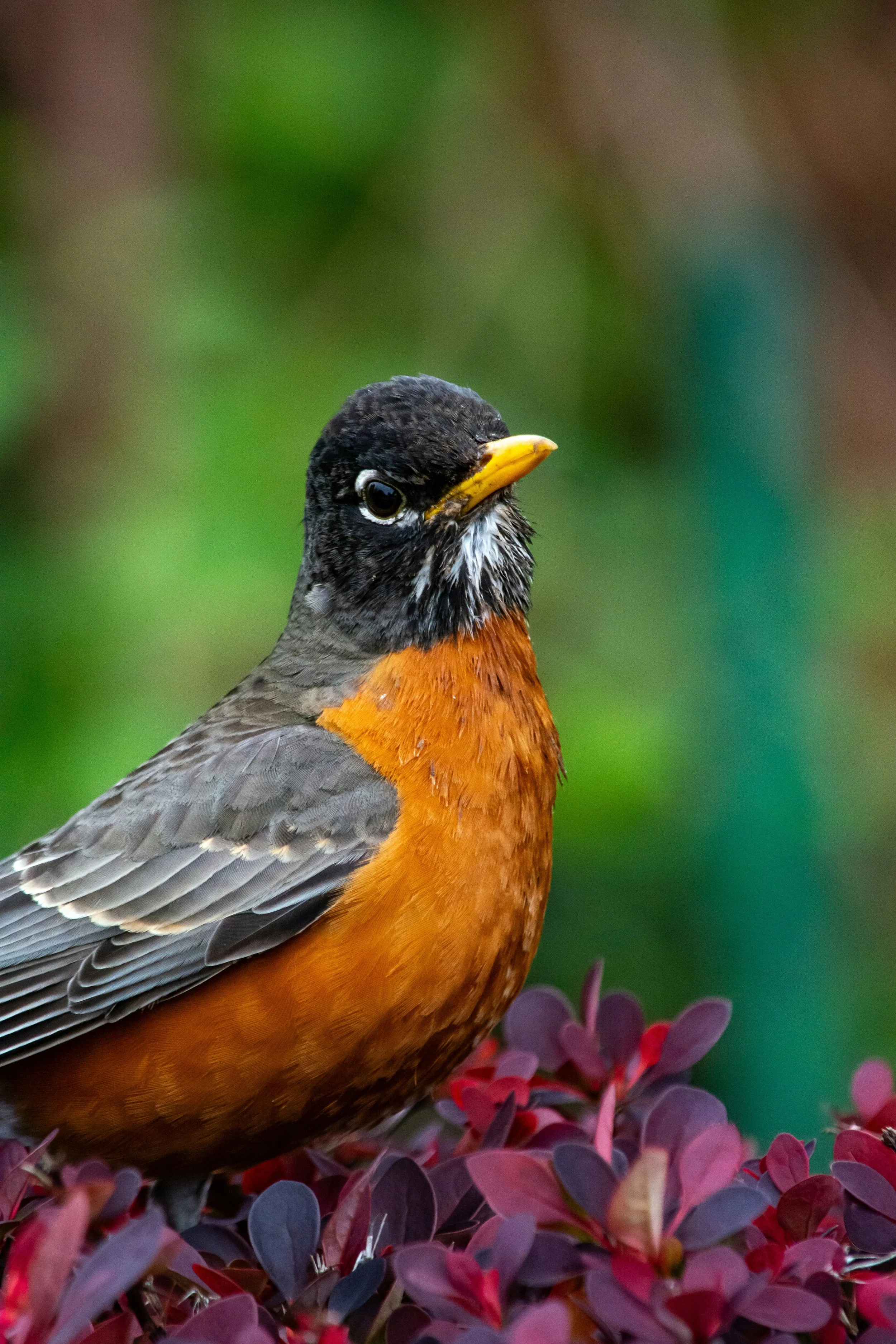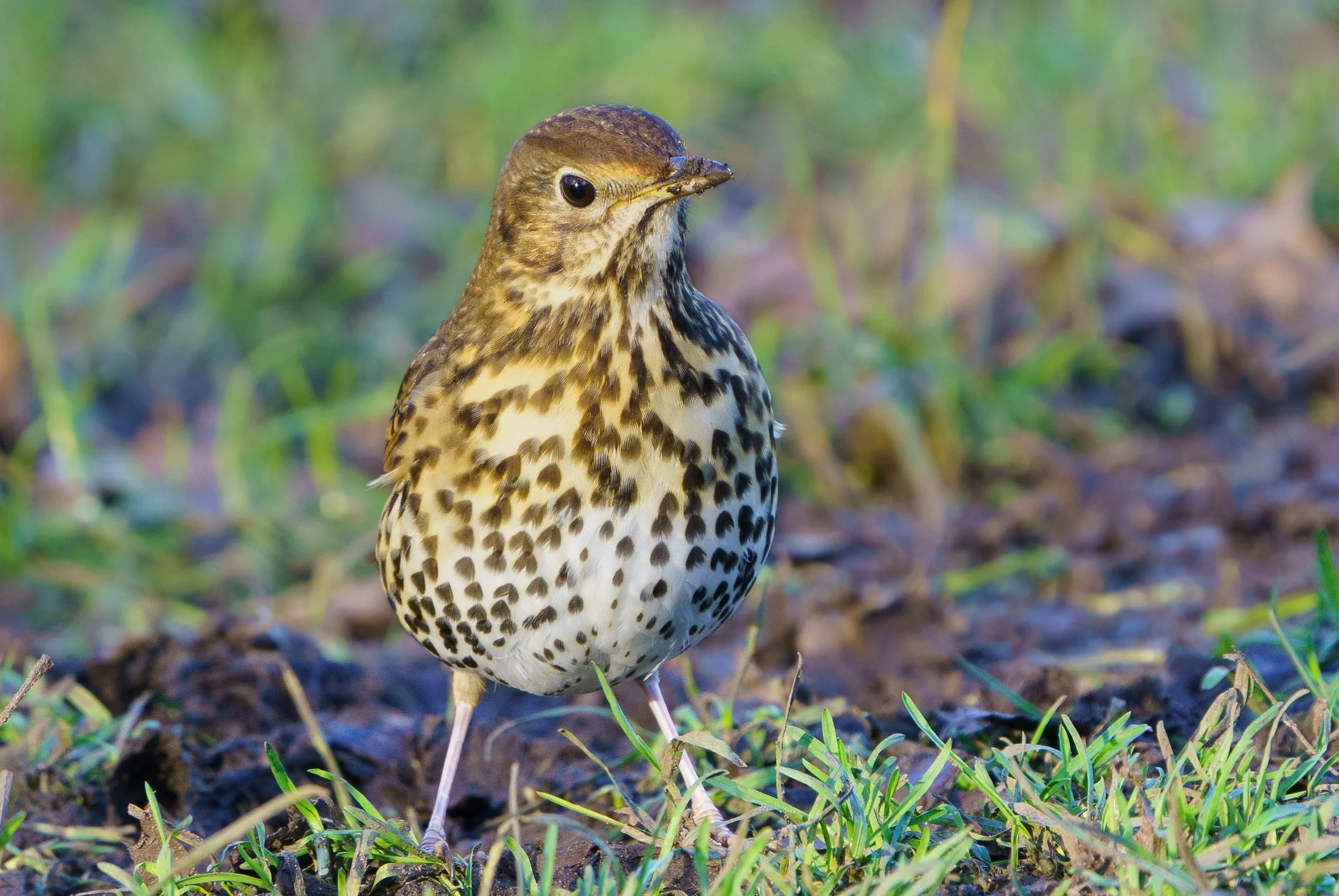
Thrushes belong to the family Turdidae, a widespread group of songbirds known for their rich, musical voices. Many spend much of their time foraging on or near the ground for insects, worms, berries, and fruit. Although some are familiar backyard birds, others are secretive forest dwellers more often heard than seen.
WOODLAND SINGERS
COMMON THRUSHES
Thrushes range from the familiar American Robin to beautifully spotted woodland species. Many migrate long distances between breeding and wintering grounds, making healthy forests and stopover habitats especially important.
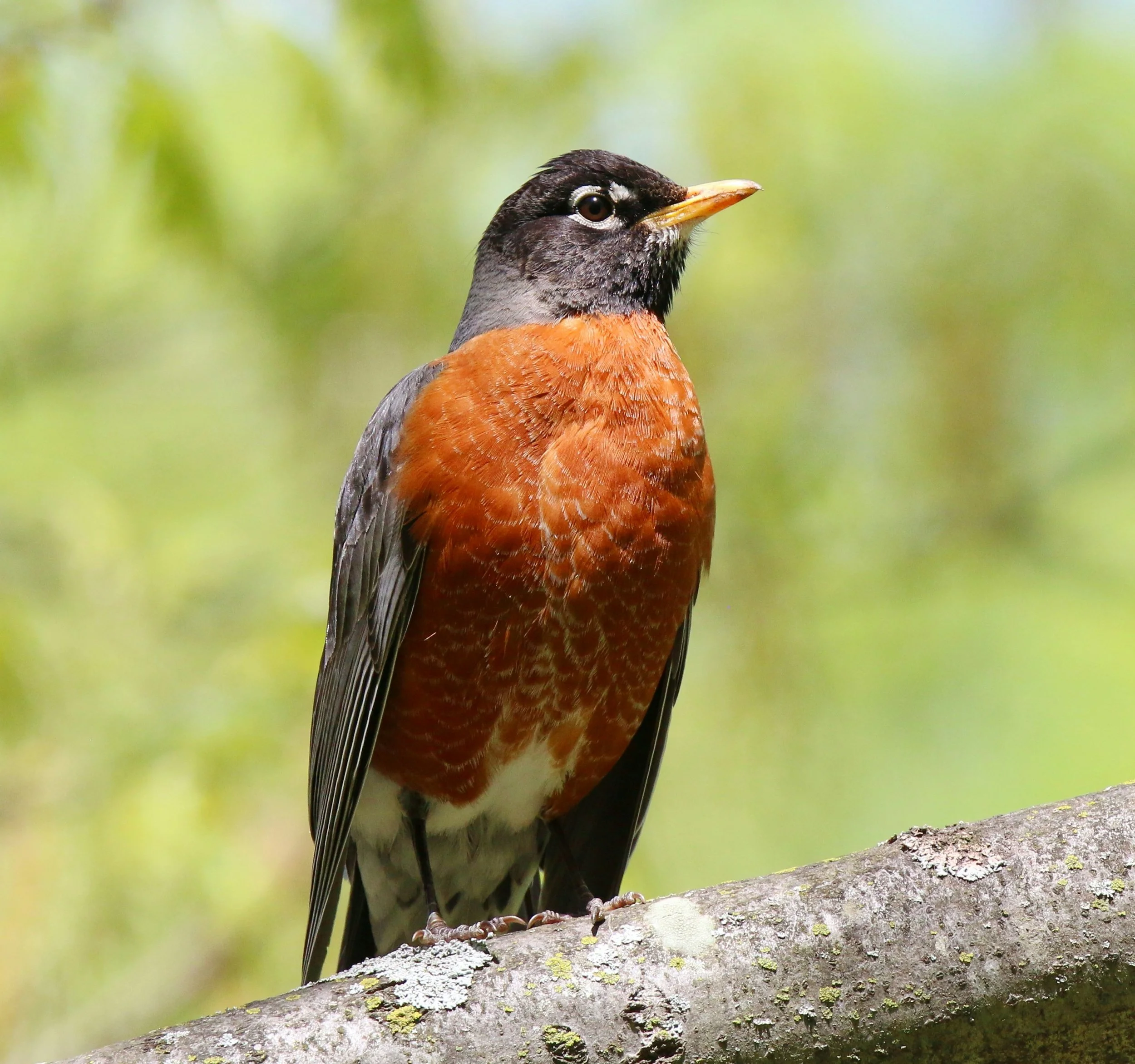
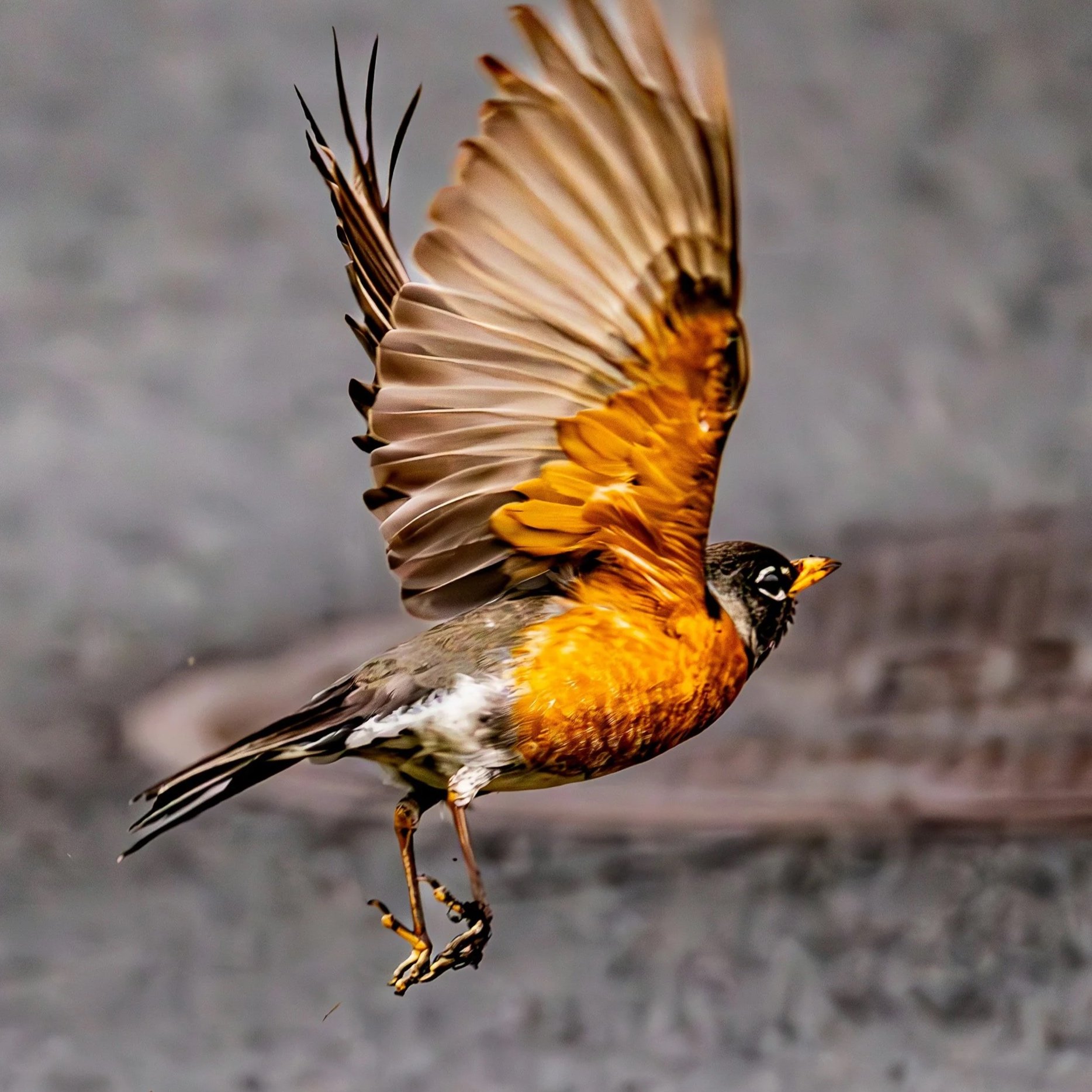
AMERICAN ROBIN
(Turdus migratorius)
A familiar thrush recognized by its orange breast and gray-brown back. Robins forage on lawns and woodland floors for worms, insects, and fruit.
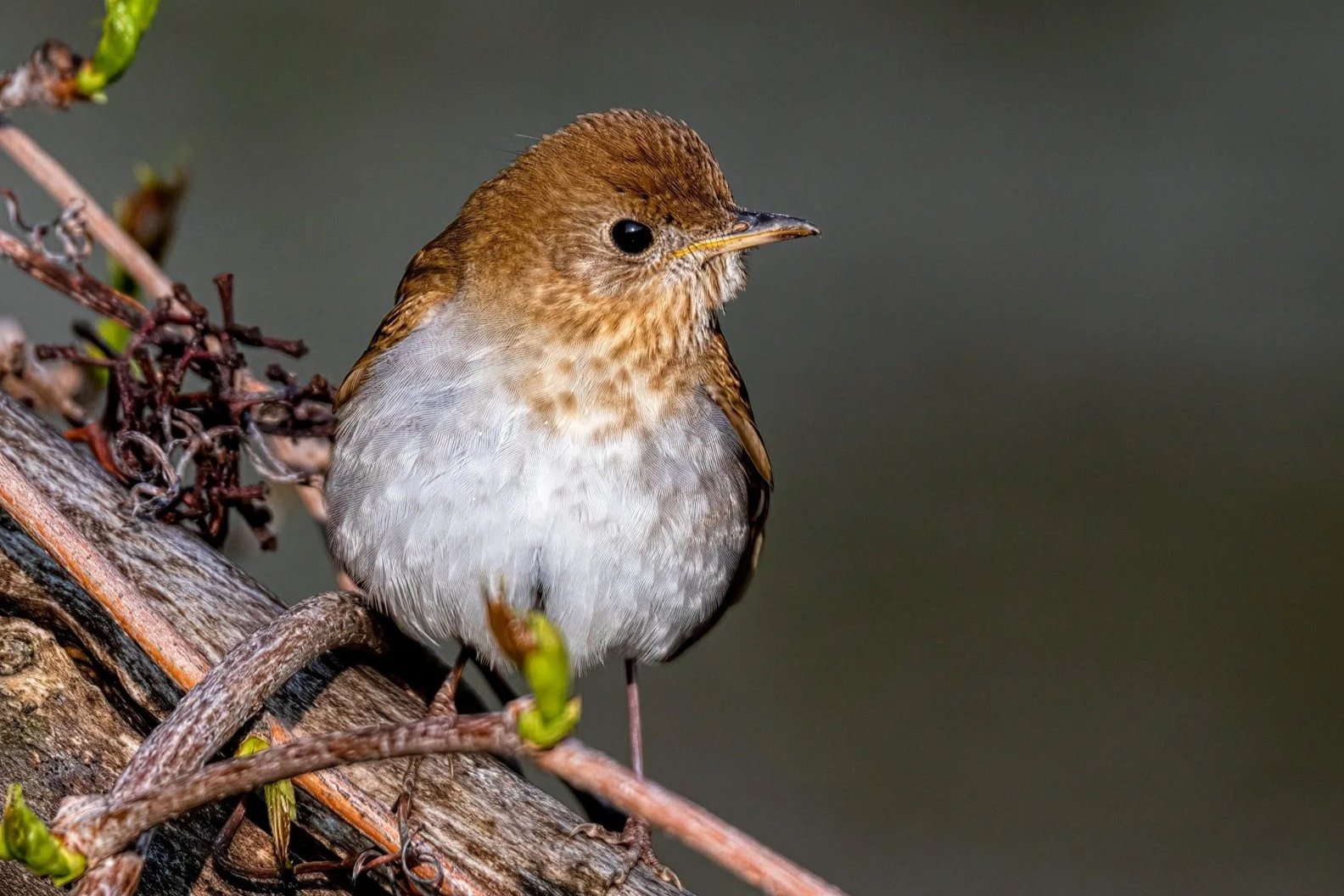
VEERY
(Catharus fuscescens)
A warm reddish-brown thrush with faint spotting on the upper breast. Its haunting, descending song sounds almost otherworldly in damp forests.
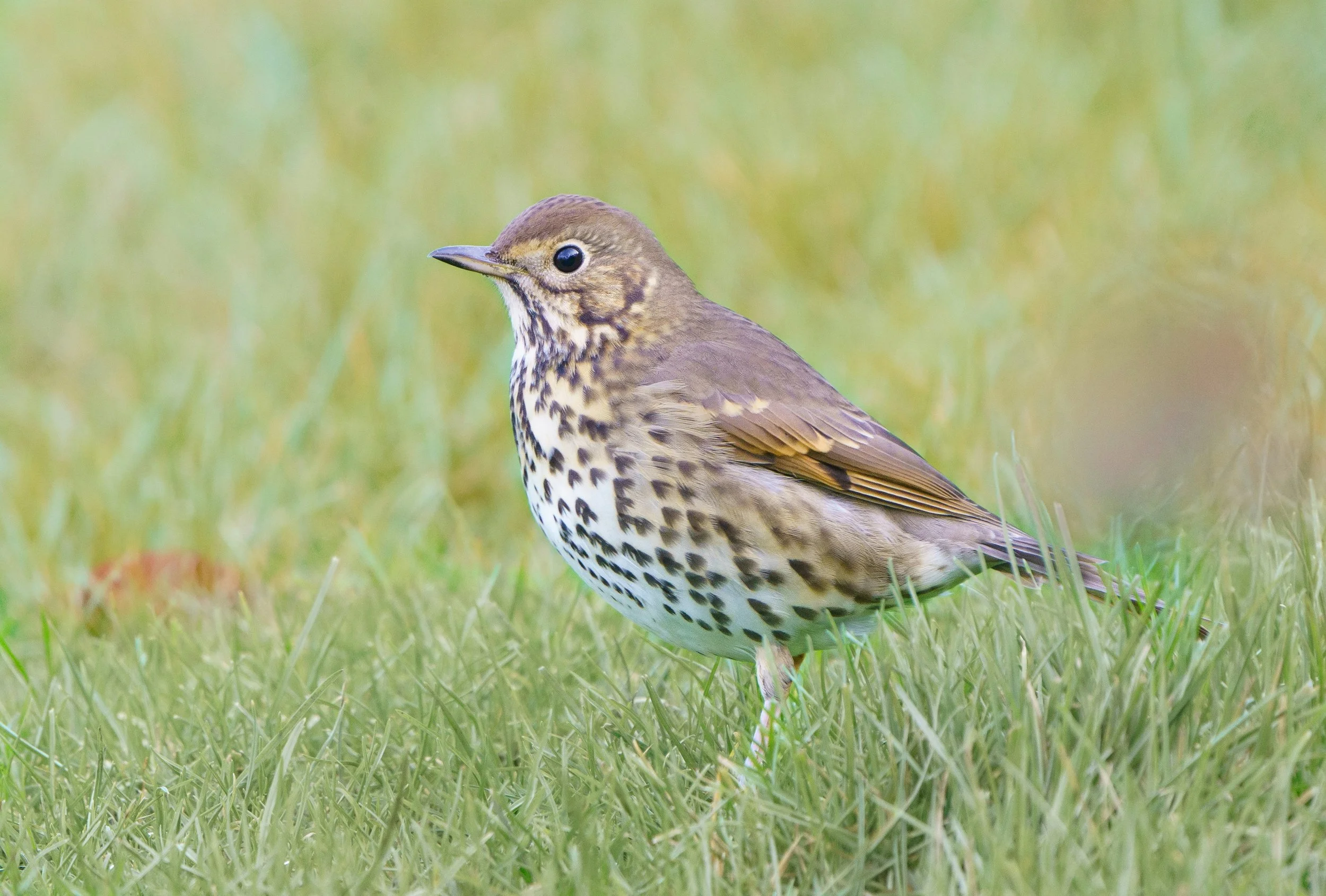
SWAINSON’S THRUSH
(Catharus ustulatus)
A migratory forest thrush recognized by its buffy face and distinct eye ring. Its spiraling, flute-like song is a characteristic sound of northern forests.
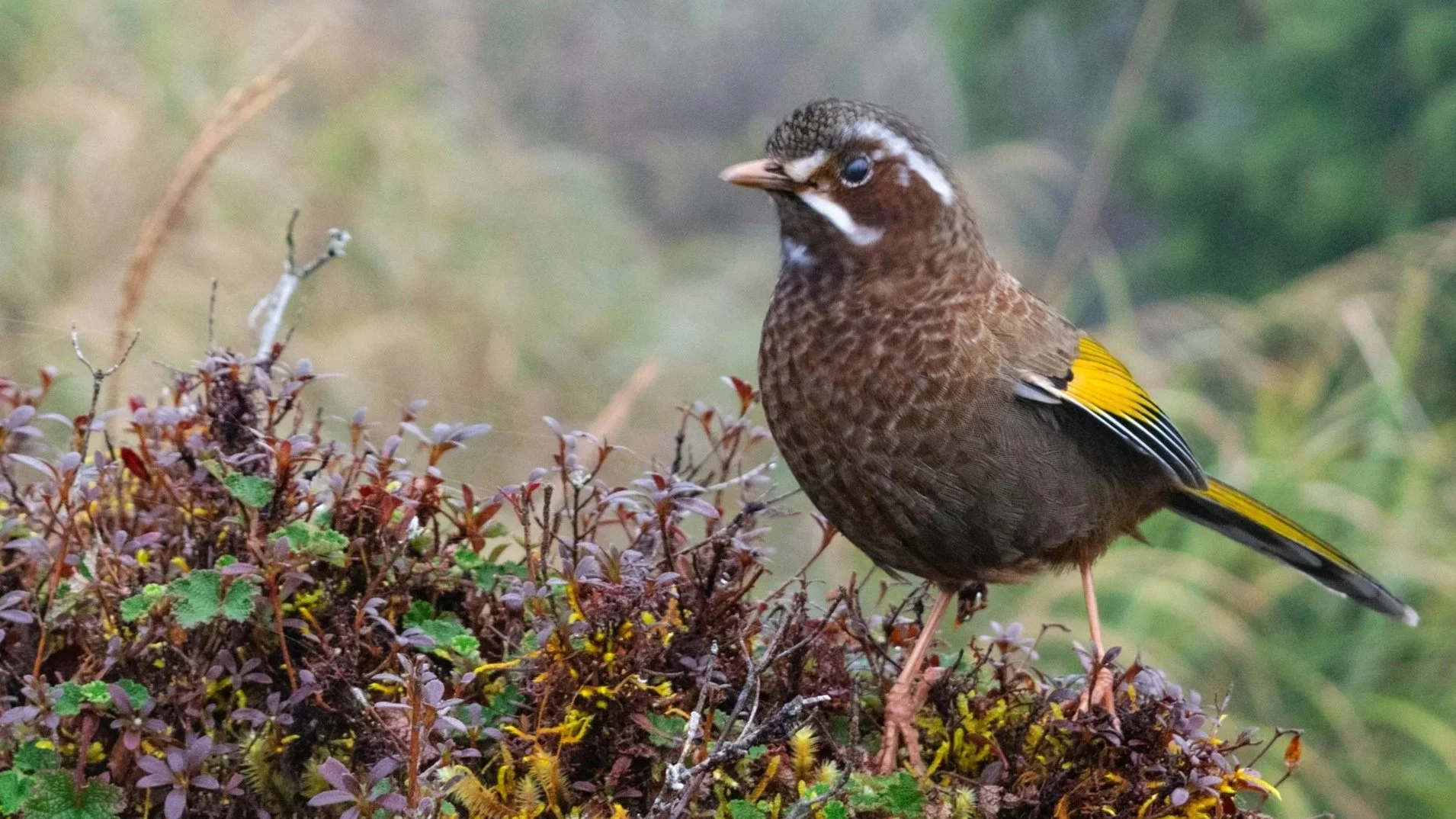
WOOD THRUSH
(Hylocichla mustelina)
A woodland bird with bold dark spots and a warm rusty-brown head and back. Its rich, flute-like song is one of eastern forests' most distinctive sounds.
A woodland thrush known for its beautiful, flute-like song. Its reddish tail contrasts with its brown back and spotted breast.
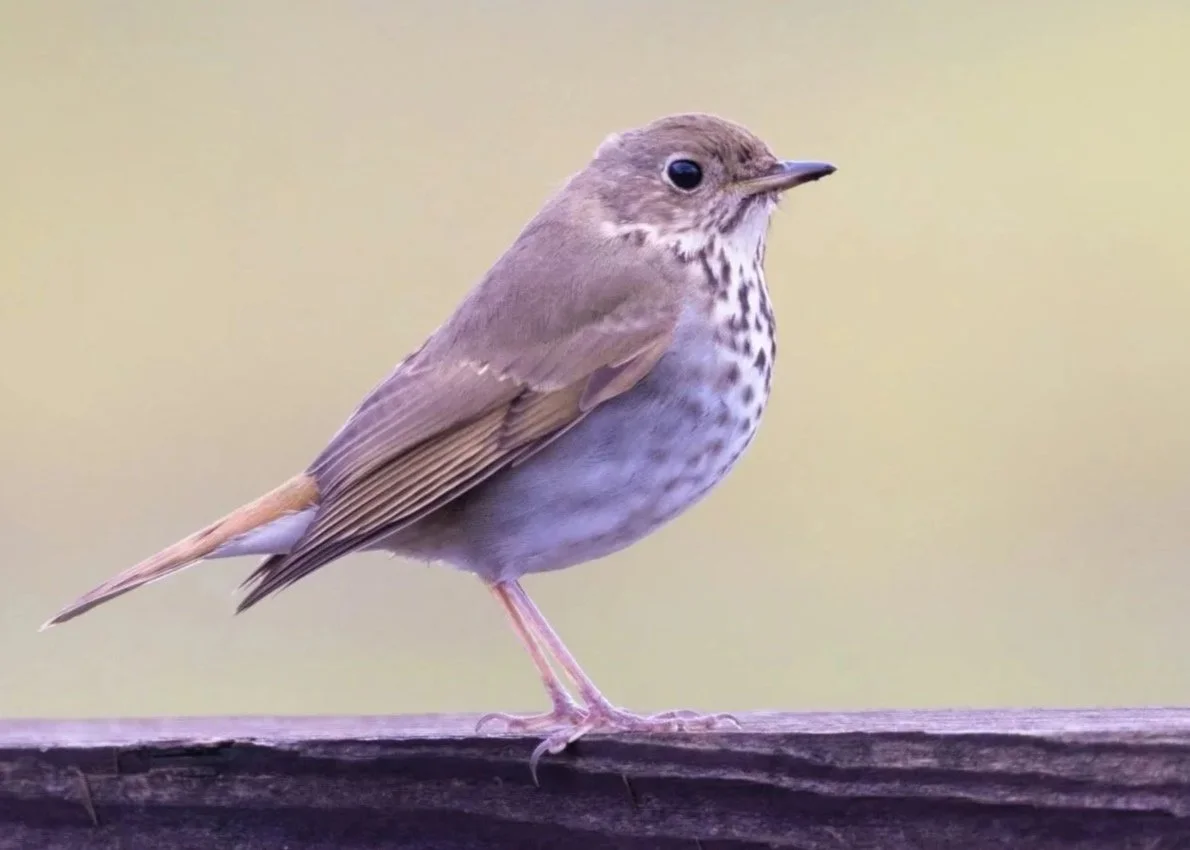
HERMIT THRUSH
(Catharus guttatus)
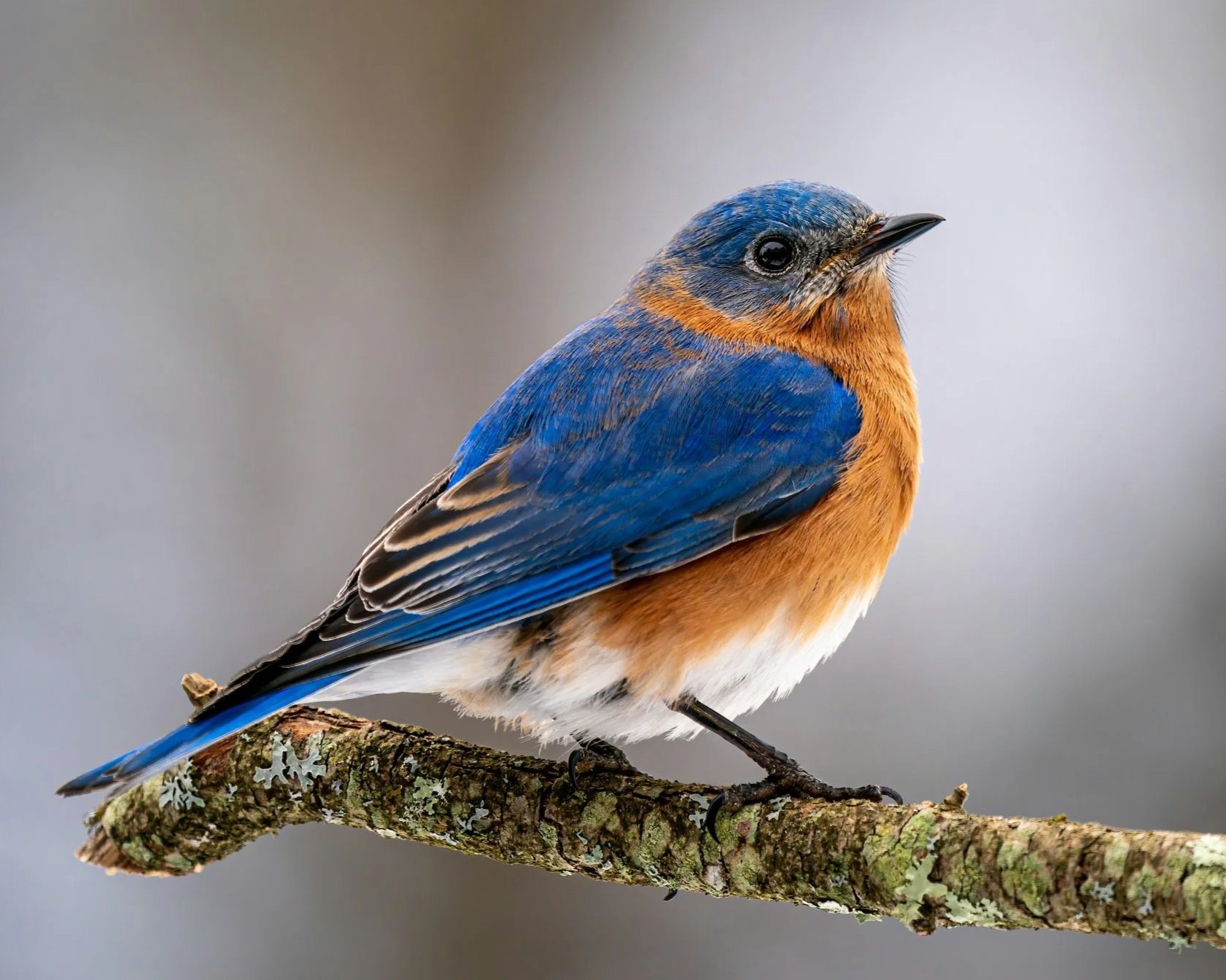
A small, colorful thrush of open woodlands and fields. Eastern Bluebirds readily use nest boxes and feed primarily on insects and berries.
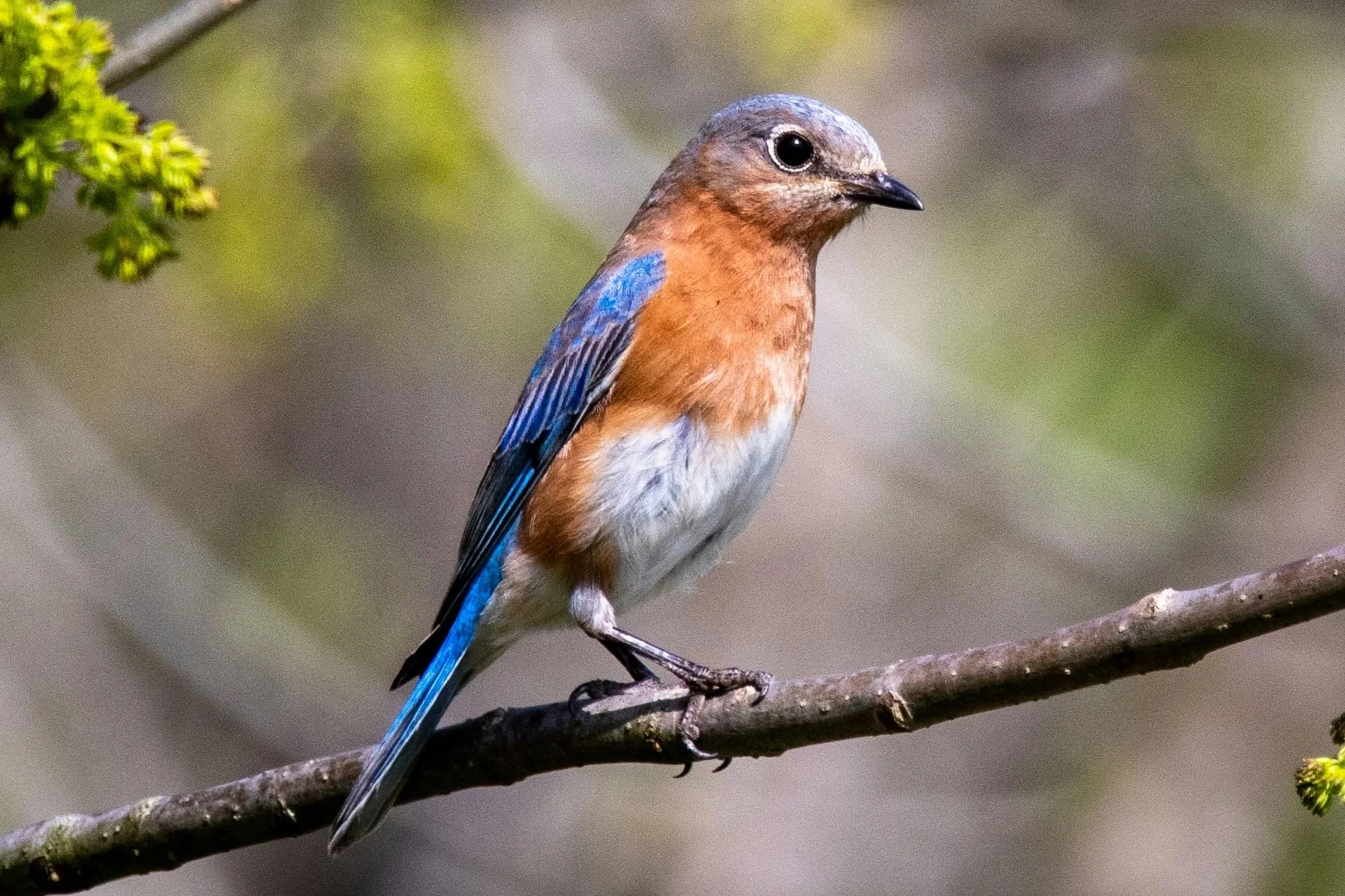
EASTERN BLUEBIRD
(Sialia sialis)
FACT OR FICTION?
-
FACT. Despite its name, the American Robin belongs to the thrush family. Early European settlers named it for its resemblance to the European Robin, which belongs to a different bird family.
-
FACT. All three North American bluebird species belong to the thrush family, Turdidae.
-
FICTION. Many thrushes switch between animal and plant foods throughout the year, eating insects and other invertebrates as well as berries and fruit.
-
FICTION. Spotted breasts are common among many thrushes, particularly Catharus species, but birds such as bluebirds and adult American Robins look quite different.
-
FACT. Several North American thrushes undertake long-distance migrations, with some traveling between northern breeding grounds and Central or South America..
-
FACT: Fruit-eating thrushes consume berries and later deposit the seeds elsewhere, helping many native plants spread and regenerate.
WHY THRUSHES MATTER.
Thrushes help control insect populations and disperse the seeds of native plants, making them important members of forest and backyard ecosystems. Because many depend on healthy forests during breeding, migration, and winter, learning about thrushes also helps us understand the importance of protecting connected habitats throughout their journeys.