QUIET HUNTERS
Venomous snakes are an important part of U.S. ecosystems, controlling rodent and small animal populations. While their bites can be dangerous, most species are not aggressive and will avoid humans if given space. Learning to identify them helps prevent conflicts and promotes safety.
COMMON VENOMOUS SNAKES
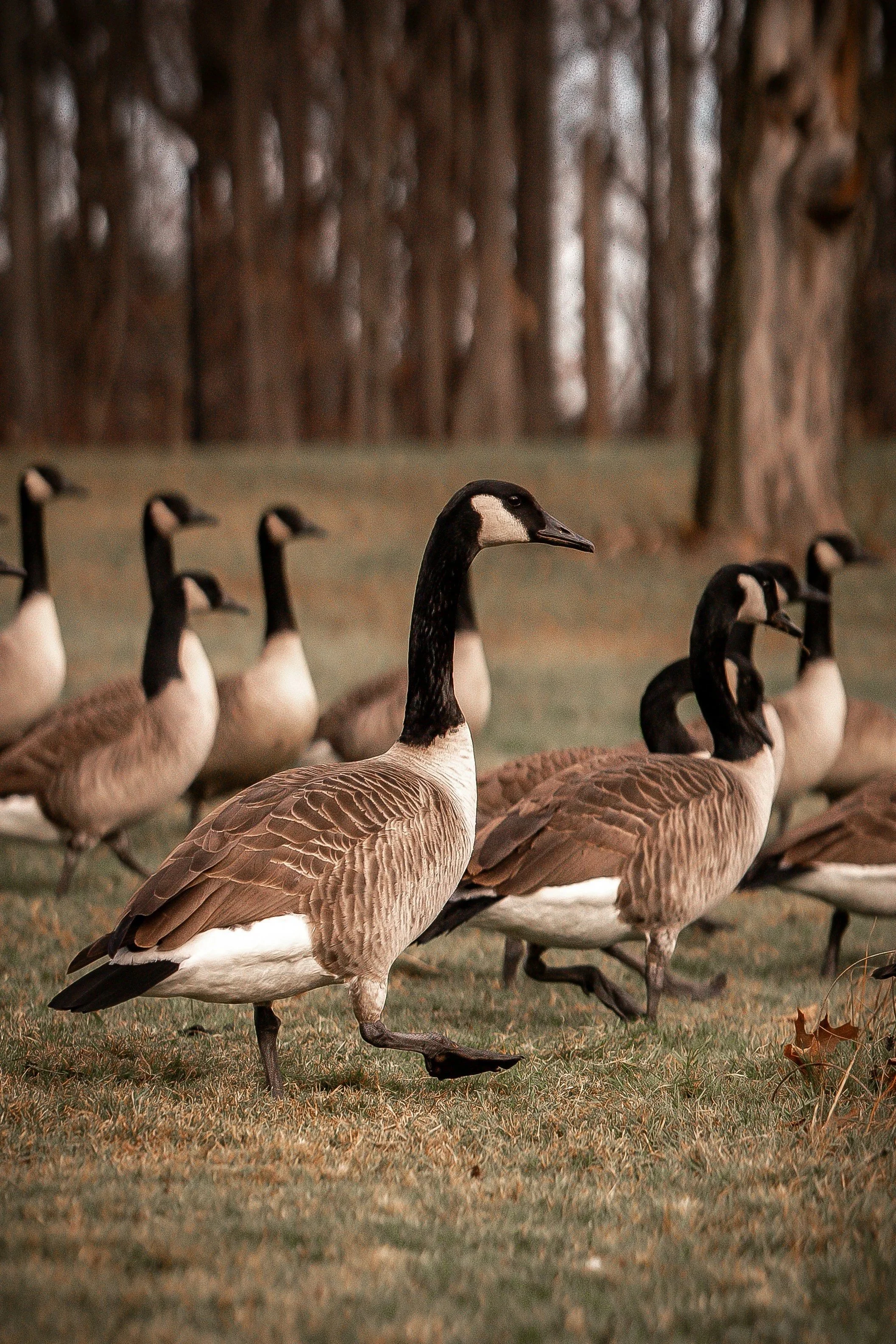
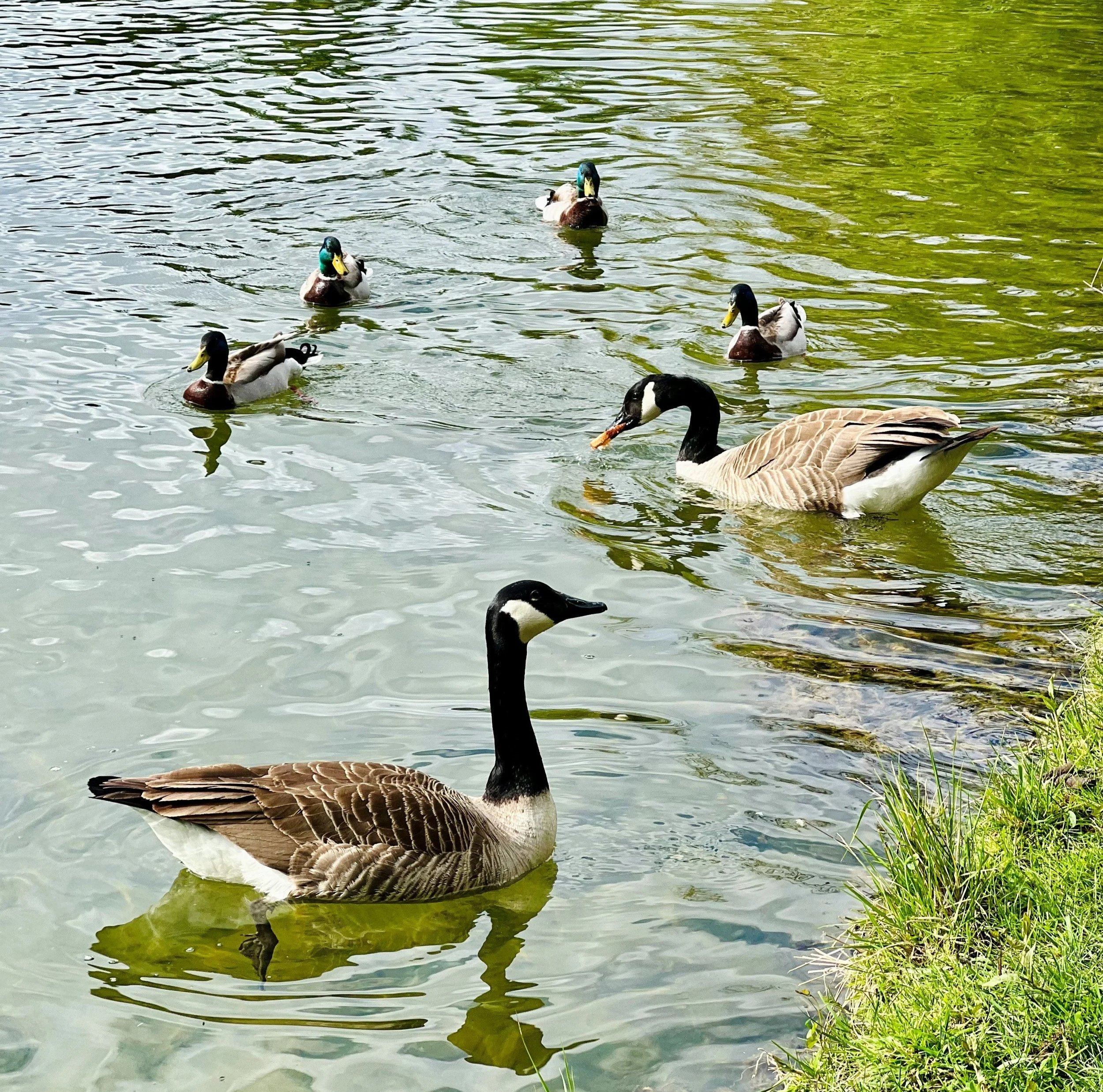
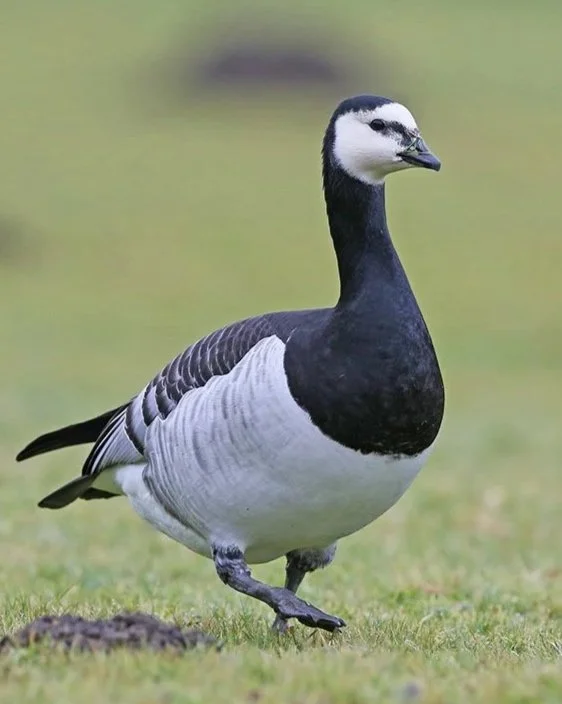
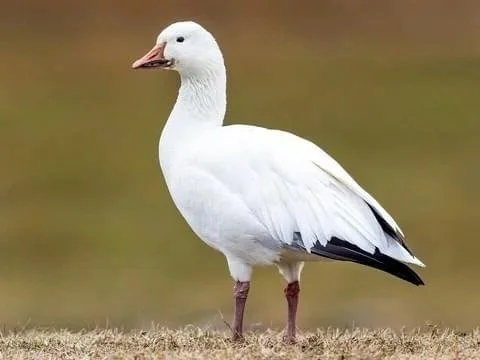
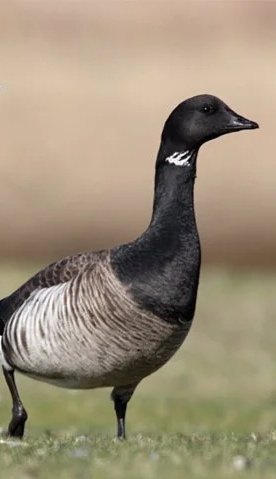
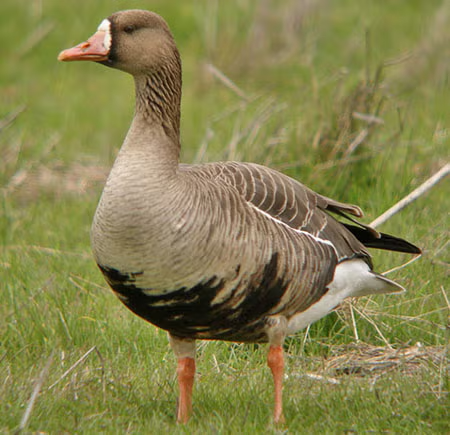
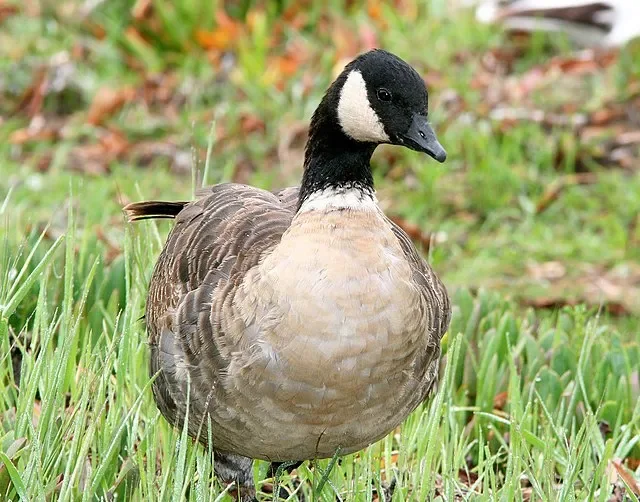
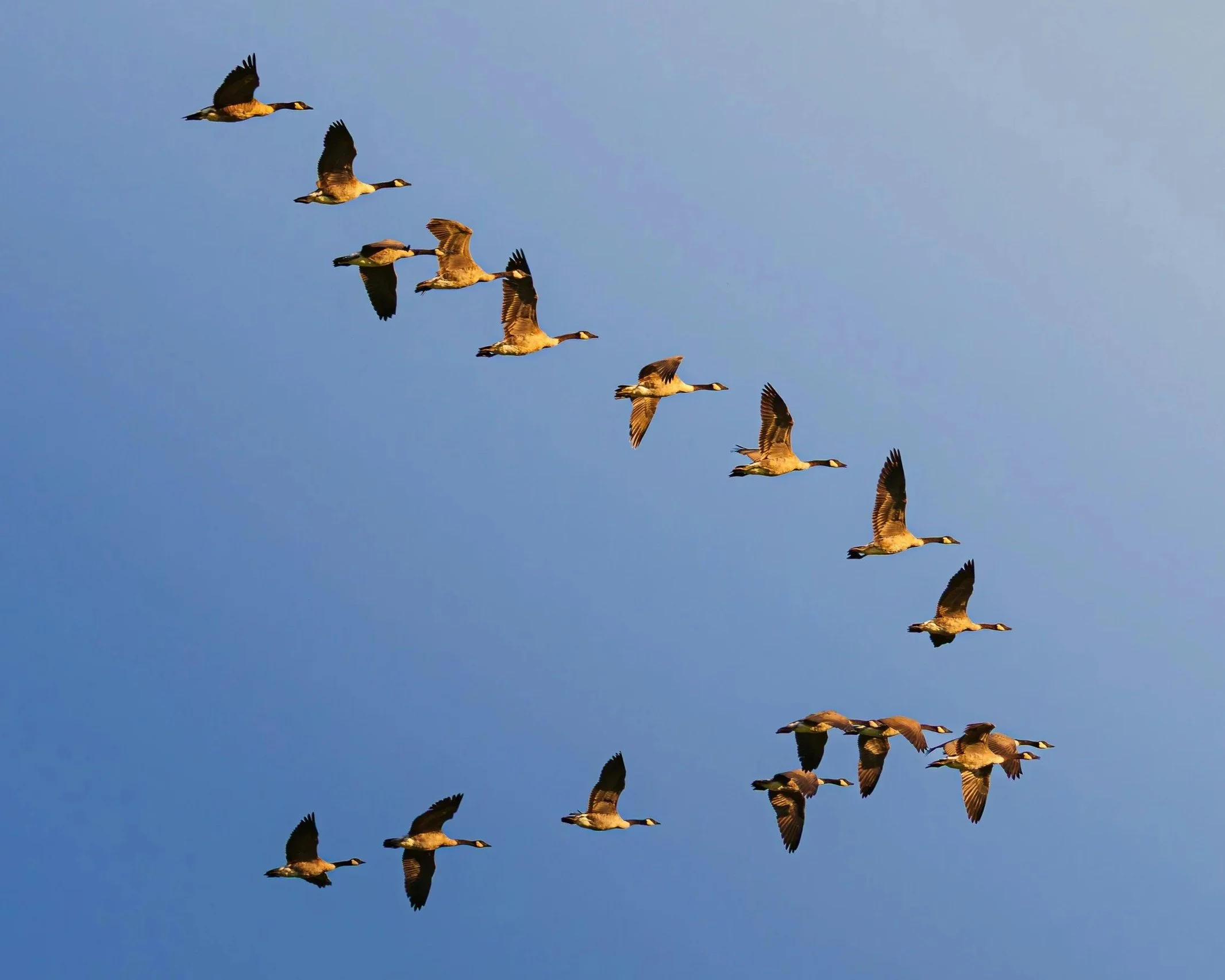
Wild geese span continents, climates, and cultures. From Arctic tundra to coastal marshes, these strong migratory birds play vital ecological roles and have shaped human history for thousands of years. Many of the geese we recognize on farms today actually trace their roots back to wild ancestors.
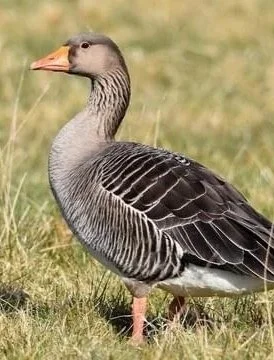
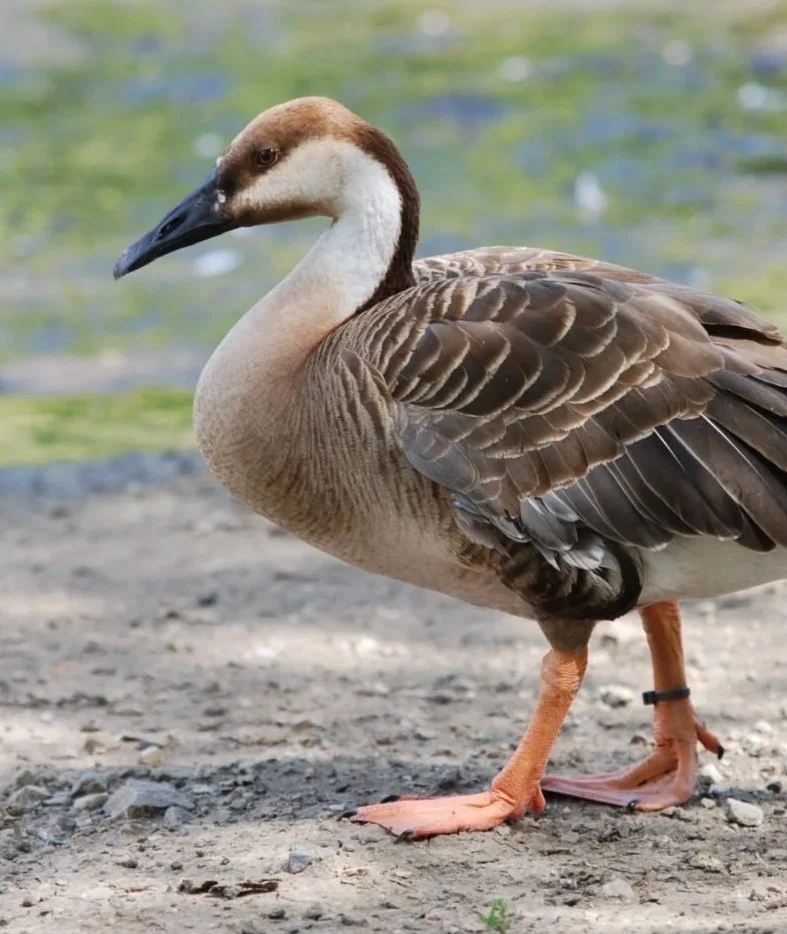
For example, the Swan Goose is a wild Asian species and the ancestor of domestic breeds such as the Chinese Goose and African Goose. Meanwhile, most European domestic breeds descend from the Greylag Goose, a widespread wild goose still found across Europe and parts of Asia.
Understanding these wild origins helps clarify an important distinction: while many geese live comfortably alongside people, their lineage begins in migratory, free-ranging species shaped by wind, water, and long seasonal journeys.
COPPERHEAD
(Agkistrodon contortrix)
Medium-sized, tan to copper-colored snakes with hourglass-shaped bands. Found in forests, rocky hillsides, and near water, they are generally calm and rely on camouflage to avoid detection.
WESTERN DIAMONDBACK RATTLESNAKE
(Crotalus atrox)
Common in the southwestern U.S., this large rattlesnake has a bold diamond pattern and a distinctive rattle. Non-aggressive if left alone, they help control rodent populations in deserts and scrublands.
COTTONMOUTH
(Agkistrodon piscivorus)
Also known as a Water Moccasin, this is a heavy-bodied water snake with dark crossbands and a distinctive white mouth lining. Found in swamps, rivers, and wetlands of the Southeast, they are excellent swimmers and rarely aggressive if left undisturbed.
EASTERN DIAMONDBACK RATTLESNAKE
(Crotalus adamanteus)
The largest rattlesnake in North America, with a distinctive diamond pattern. Found in southeastern U.S. forests and coastal areas, they are non-aggressive unless provoked.
Found across the central U.S., these medium-sized rattlesnakes have brown or gray bodies with darker blotches. They inhabit grasslands and open woodlands and are generally shy.
PRAIRIE RATTLESNAKE
(Crotalus viridis)
(Crotalus horridus)
TIMBER RATTLESNAKE
Large, thick-bodied snakes with a rattle at the tail tip. Typically brown or gray with dark crossbands, they inhabit forests and rugged terrain in the eastern U.S. They are shy and give warning with their rattle before striking.
A small, stout rattlesnake (12–20 inches) with gray or reddish-brown blotches. Found in southeastern U.S. forests, pine flatwoods, and wetlands, it feeds on rodents, amphibians, and insects and gives warning with its tiny rattle.
PYGMY RATTLESNAKE
(Sistrurus miliarius)
A slender, brightly colored snake with red, yellow, and black bands. Found in the southeastern U.S., they are secretive and mostly underground or under leaf litter. Venomous but rarely bite humans, feeding primarily on other small snakes and lizards.
eastern coral snake
(Micrurus fulvius)
FACT OR FICTION?
-
FICTION. Most venomous snakes prefer to avoid humans and bite only in self-defense.
-
FICTION. They can be found in forests, wetlands, grasslands, deserts, and even near suburban areas.
-
FICTION. Bright colors, like the coral snake’s bands, are warnings to predators, not humans. It’s a clue to the fact that they are venomous, not aggressive.
-
FICTION. Even small species like pygmy rattlesnakes and coral snakes can deliver medically significant bites, though they are rarely aggressive.
-
FICTION. They control rodents, amphibians, insects, and even other snakes, helping maintain healthy ecosystems. If needed, there are services to relocate these species.
-
FACT. Once overhunted and declining, regulated protection and habitat management allowed their populations to rebound dramatically.
-
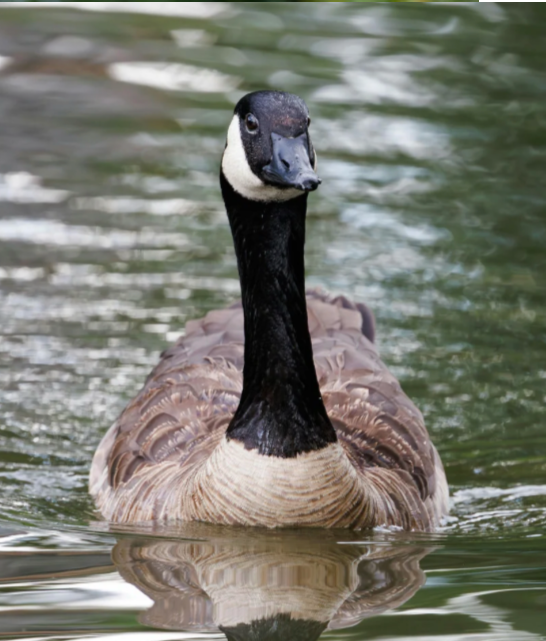
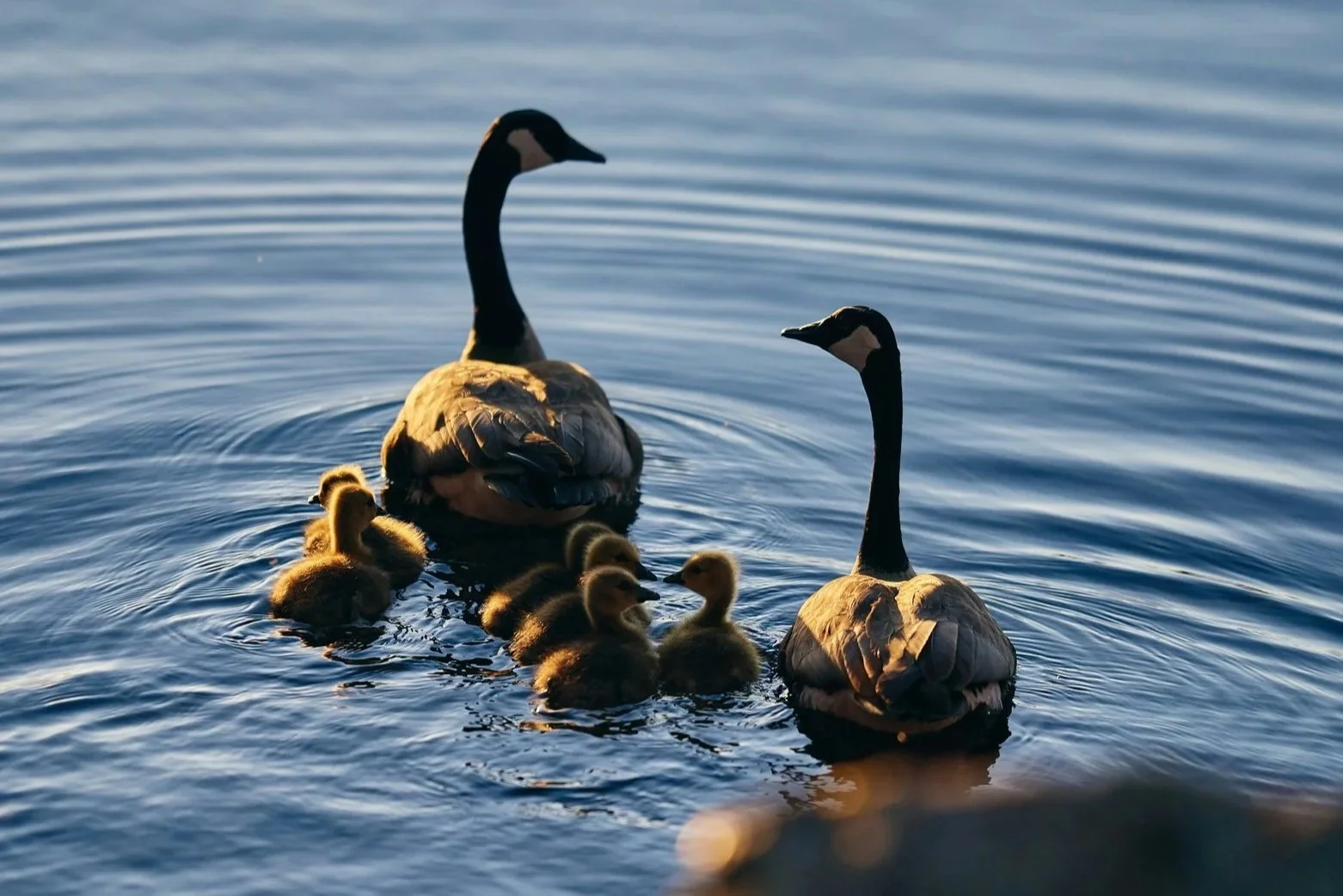
FACT: Strong parental care and protective behaviors help more Canada Goose goslings survive their first year compared with most other wild goose species.
WHY EDUCATION MATTERS.
Venomous snakes play a critical role in U.S. ecosystems:
Population Control: They help manage rodents, amphibians, and insects, reducing disease risk and crop damage.
Food Web Support: Venomous snakes serve as prey for birds, mammals, and larger snakes.
Ecosystem Balance: Their presence indicates a healthy environment and helps maintain biodiversity.
Natural Pest Management: By controlling small animal populations, they reduce the need for chemical pesticides.
Respecting their space keeps both humans and snakes safe while supporting the larger ecosystem.