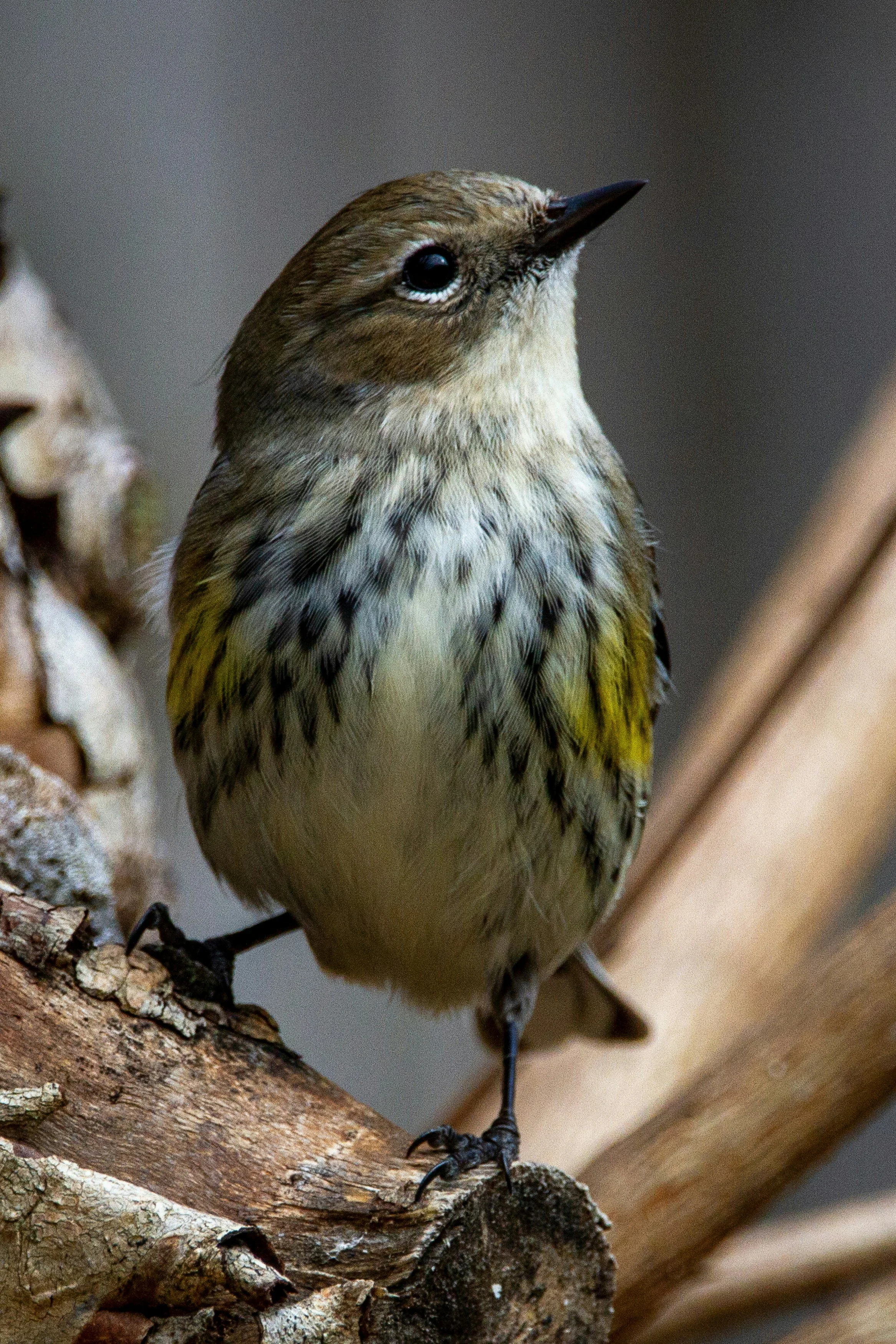
Warblers are small, active songbirds known for their colorful plumage, delicate features, and often complex songs. North America is home to a remarkable variety of warblers, many of which undertake long migrations between breeding and wintering grounds.
busy bodies
Most warblers spend their days moving quickly through trees, shrubs, and other vegetation in search of insects. Though tiny, these birds can travel thousands of miles during migration, connecting habitats across continents along the way.
COMMON Warblers
North American warblers include dozens of species, ranging from brilliantly colored forest dwellers to more subtly patterned birds of wetlands and brushy habitats.
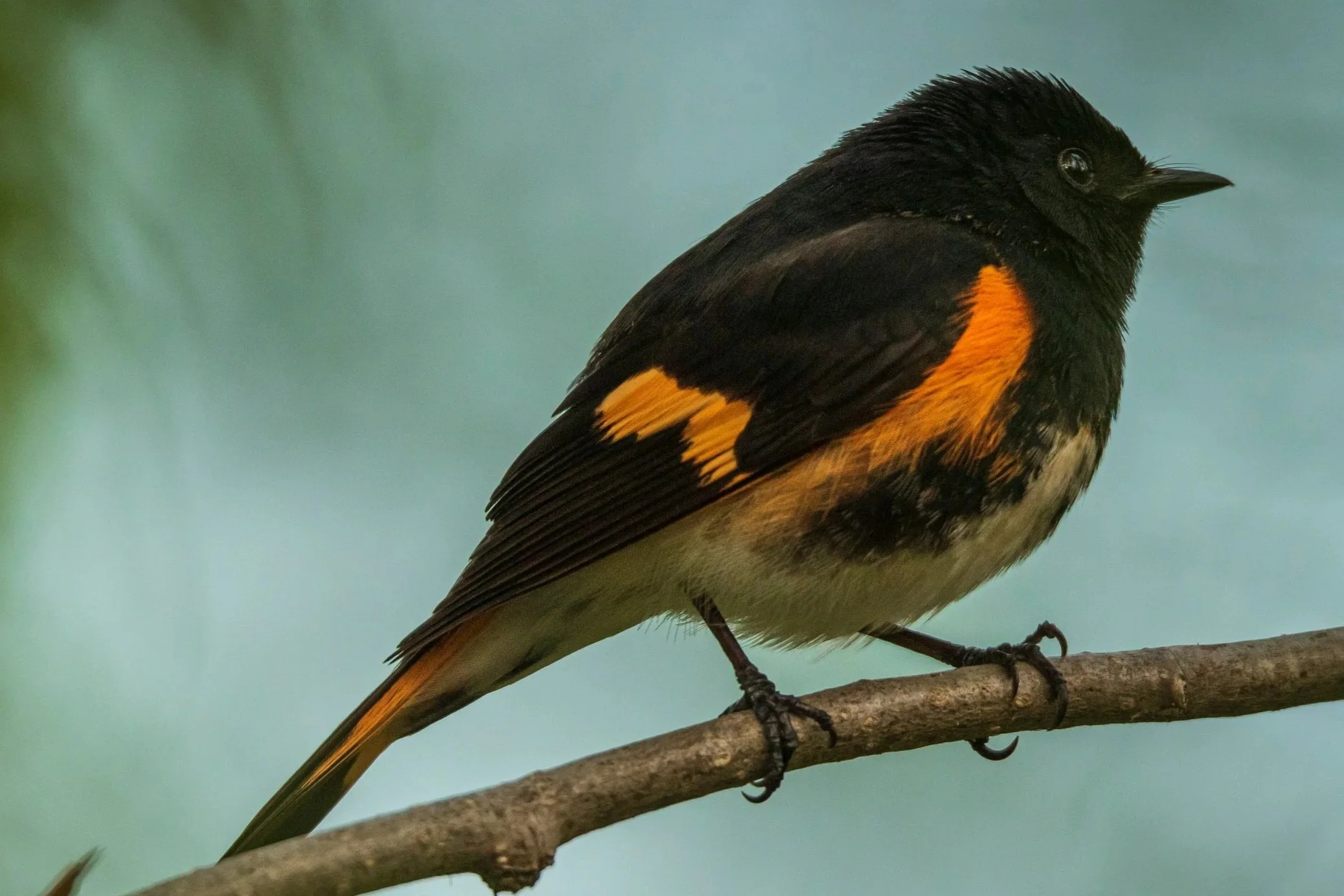
AMERICAN red start
(Setophaga ruticilla)
A dark, robust duck native to eastern North America. Similar in shape to mallards, but darker and less colorful. Prefers wetlands, rivers, and estuaries.
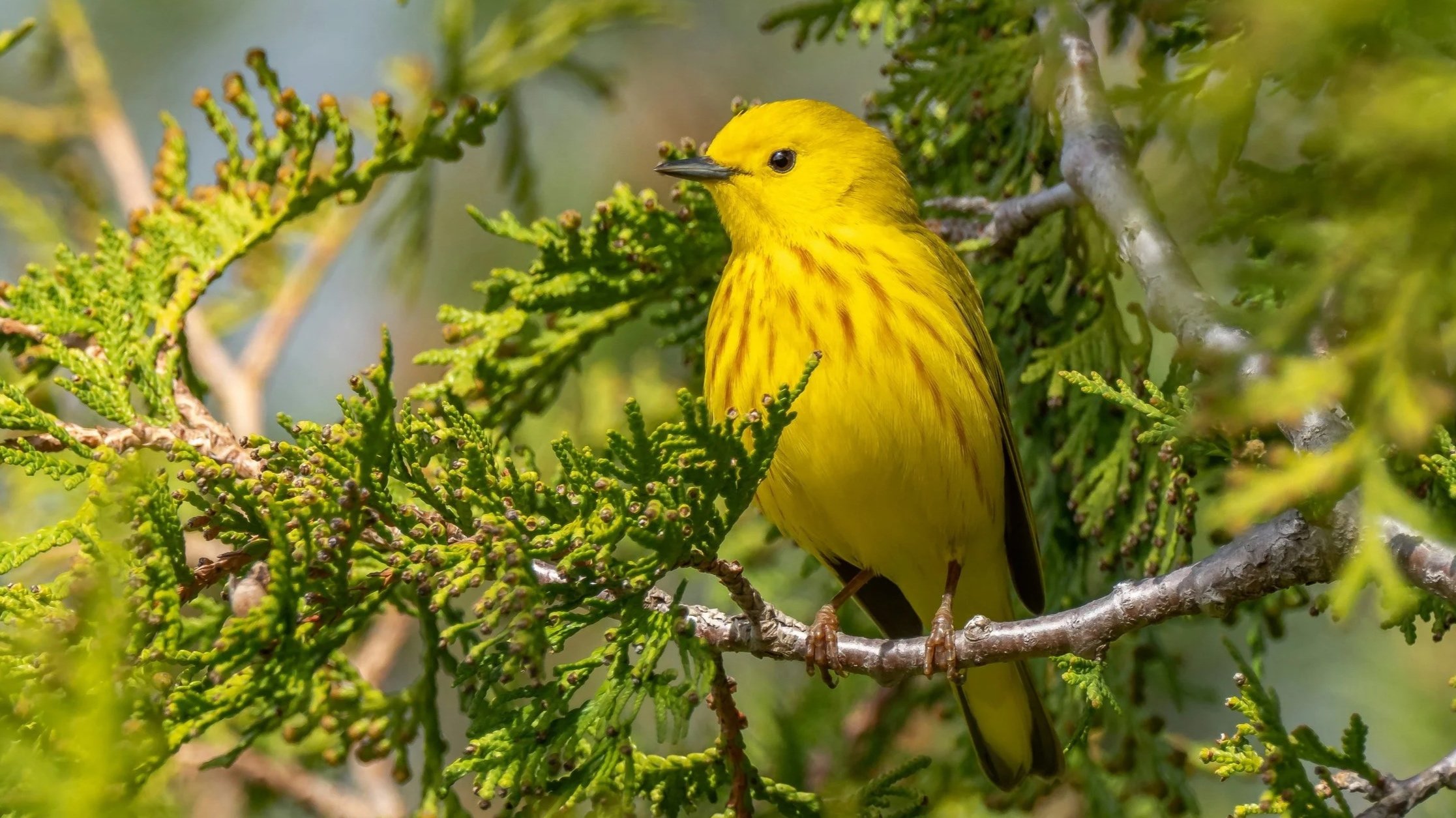
yellow warbler
(Setophaga petechia)
A bright yellow, widely distributed warbler often found near wetlands and shrubby areas. Males typically have distinctive reddish streaks across the breast.
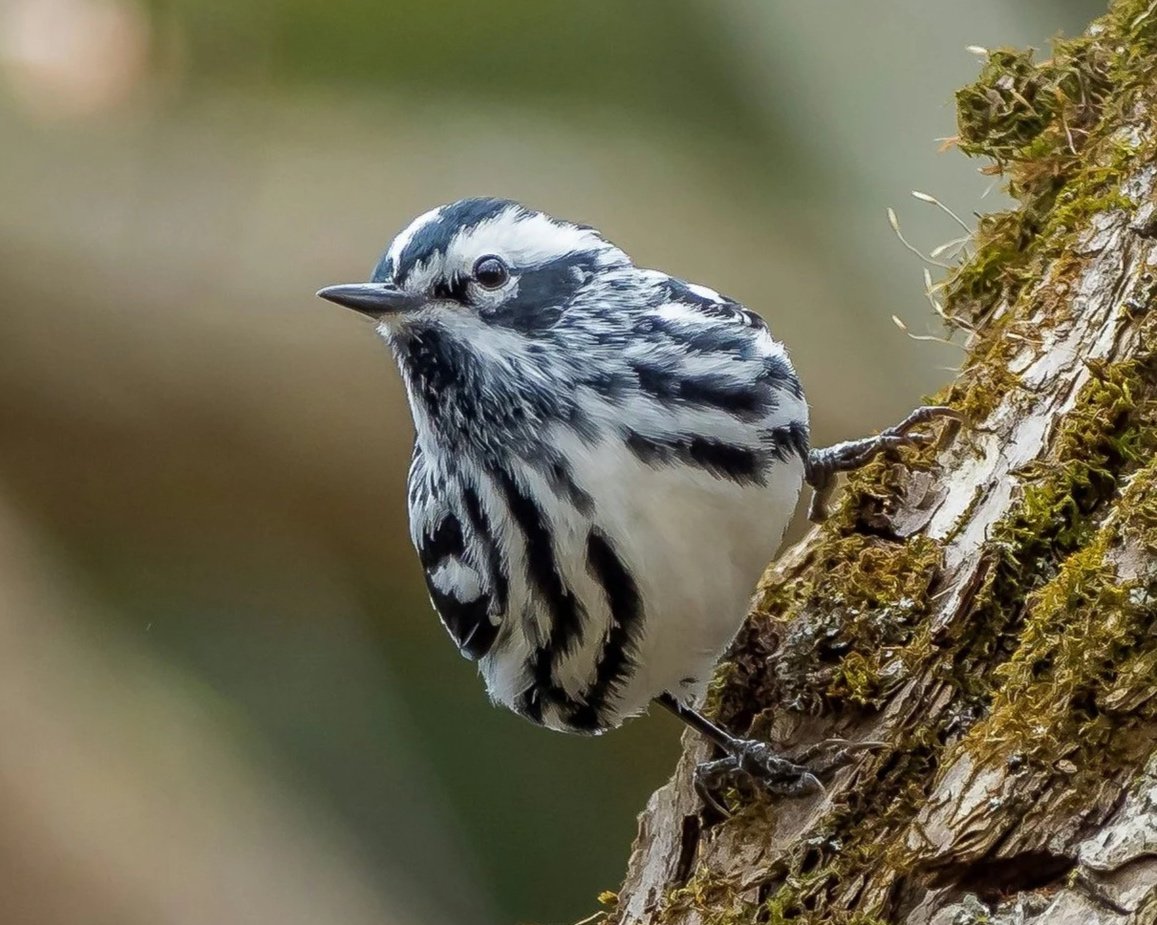
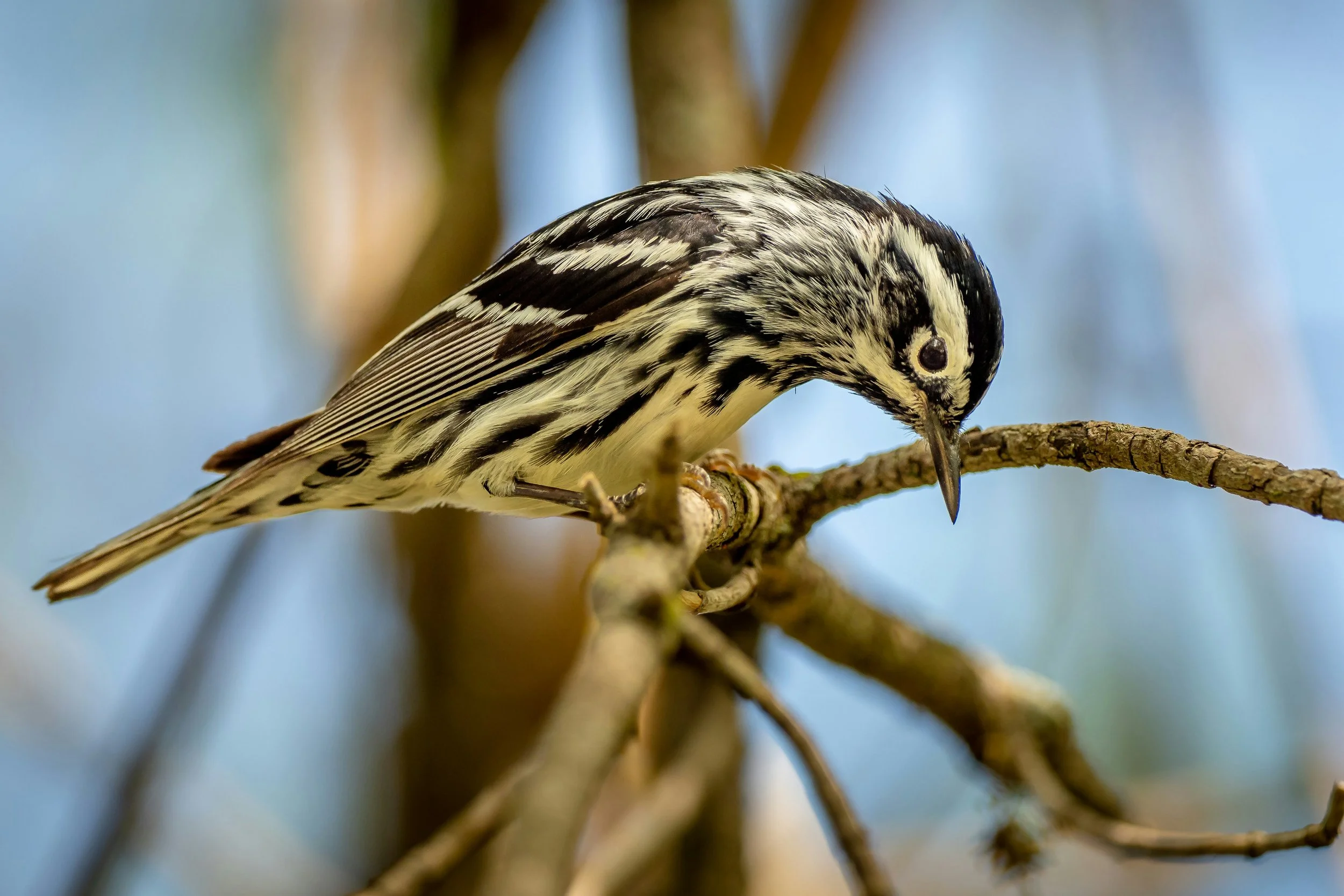
black-and-white warbler
(Aythya valisineria)
A boldly striped warbler with an unusual habit of creeping along trunks and branches like a nuthatch while searching bark for insects.
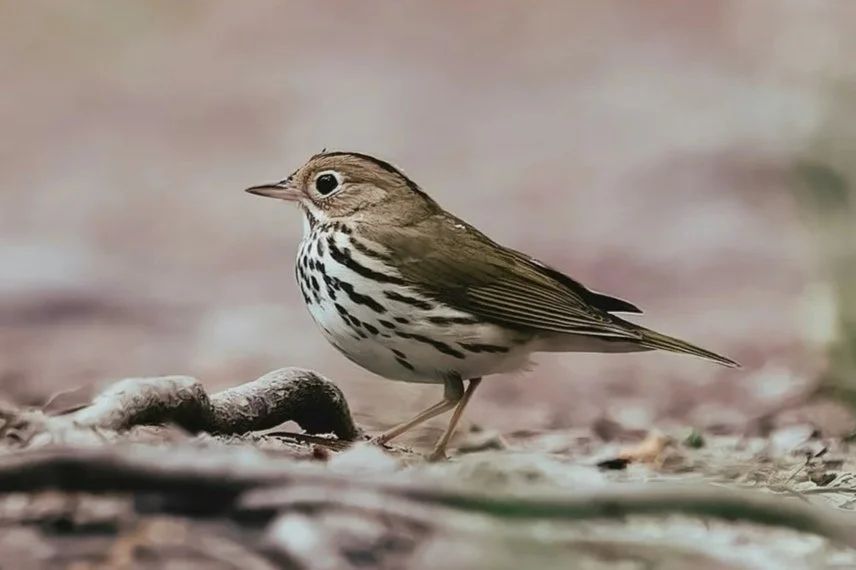
ovenbird
(Seiurus aurocapilla)
Recognizable by its large, spatula-shaped bill. Males have vivid green heads and white chests; females are brown. They feed by skimming water for small invertebrates and plant matter.
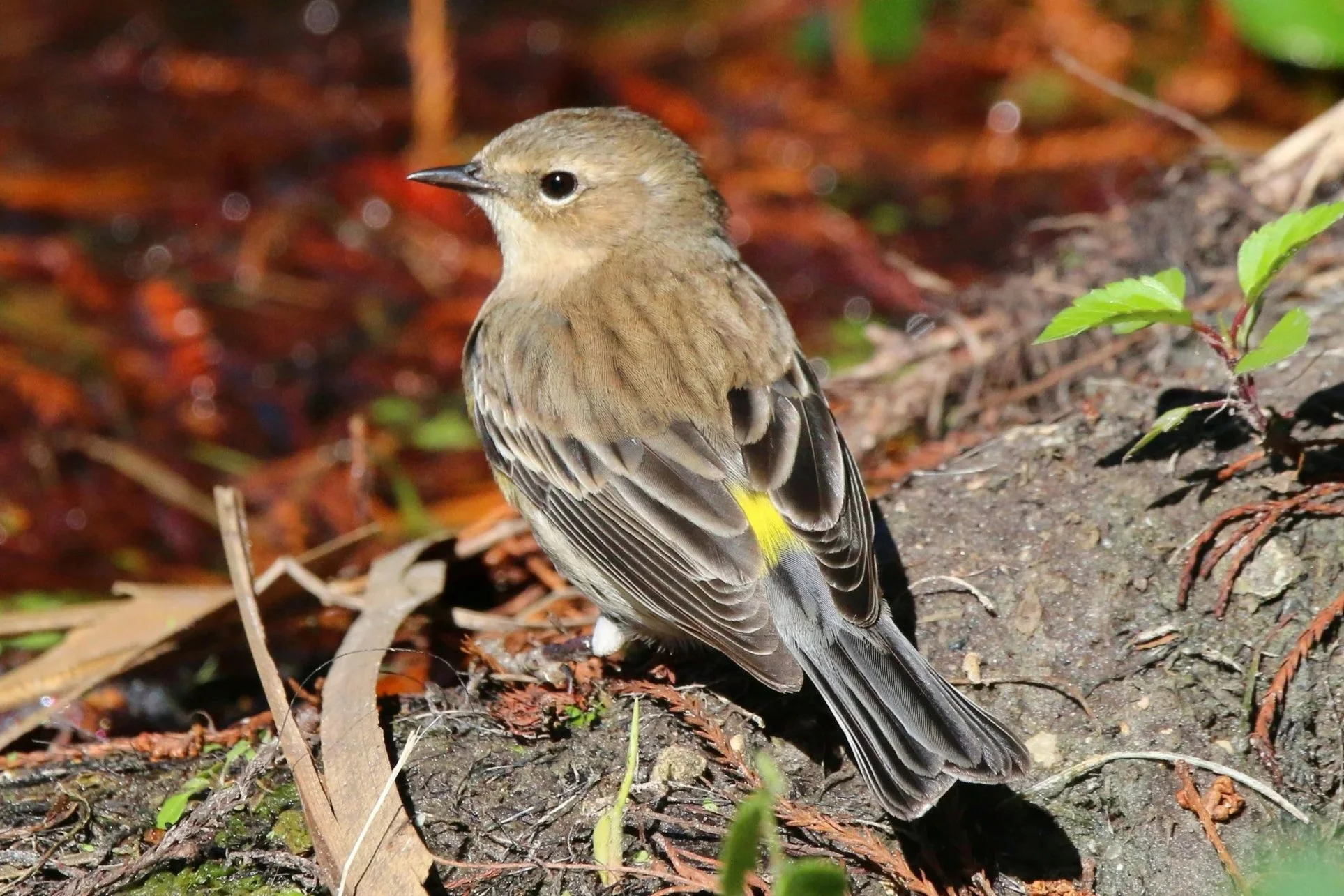
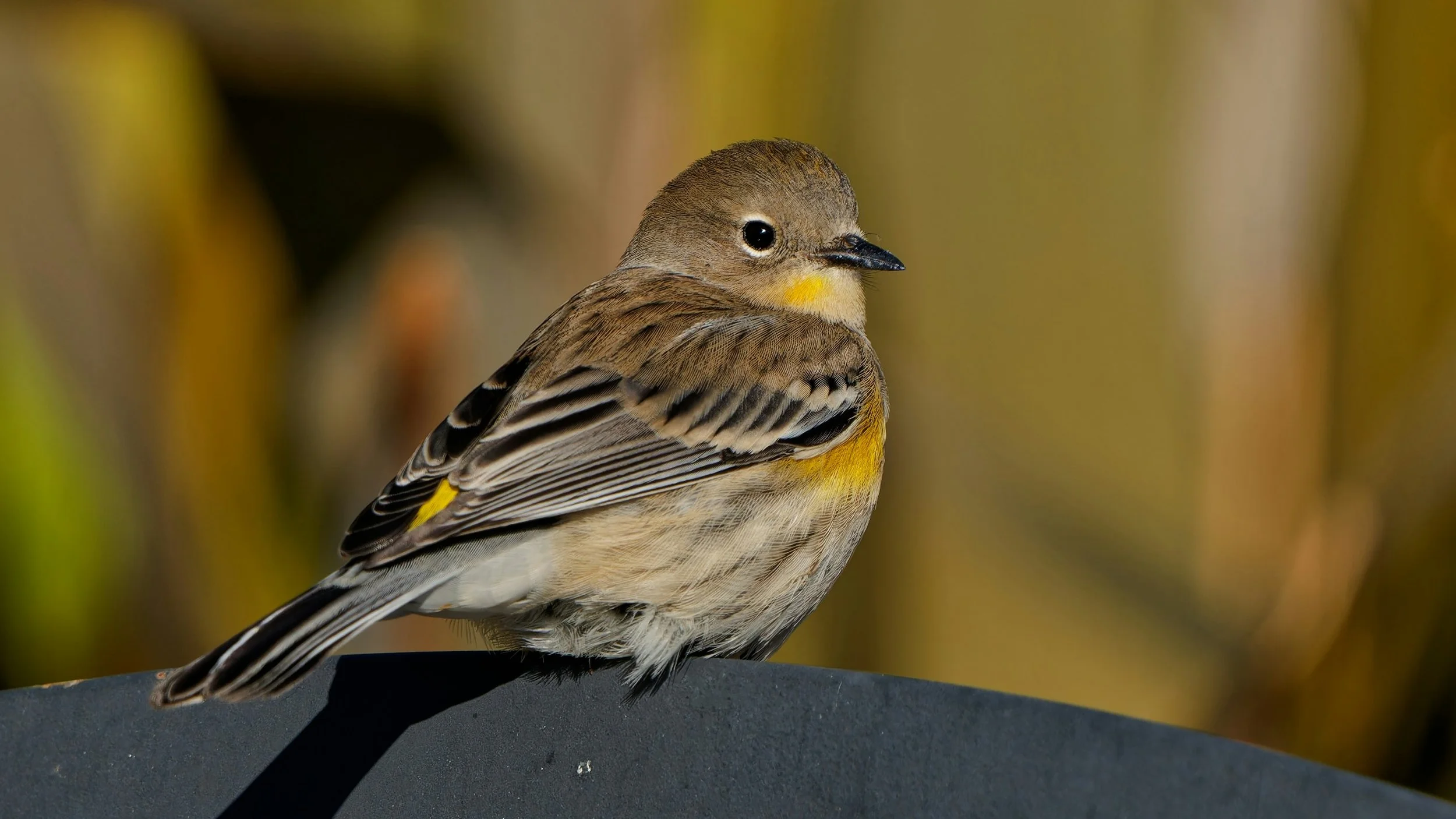
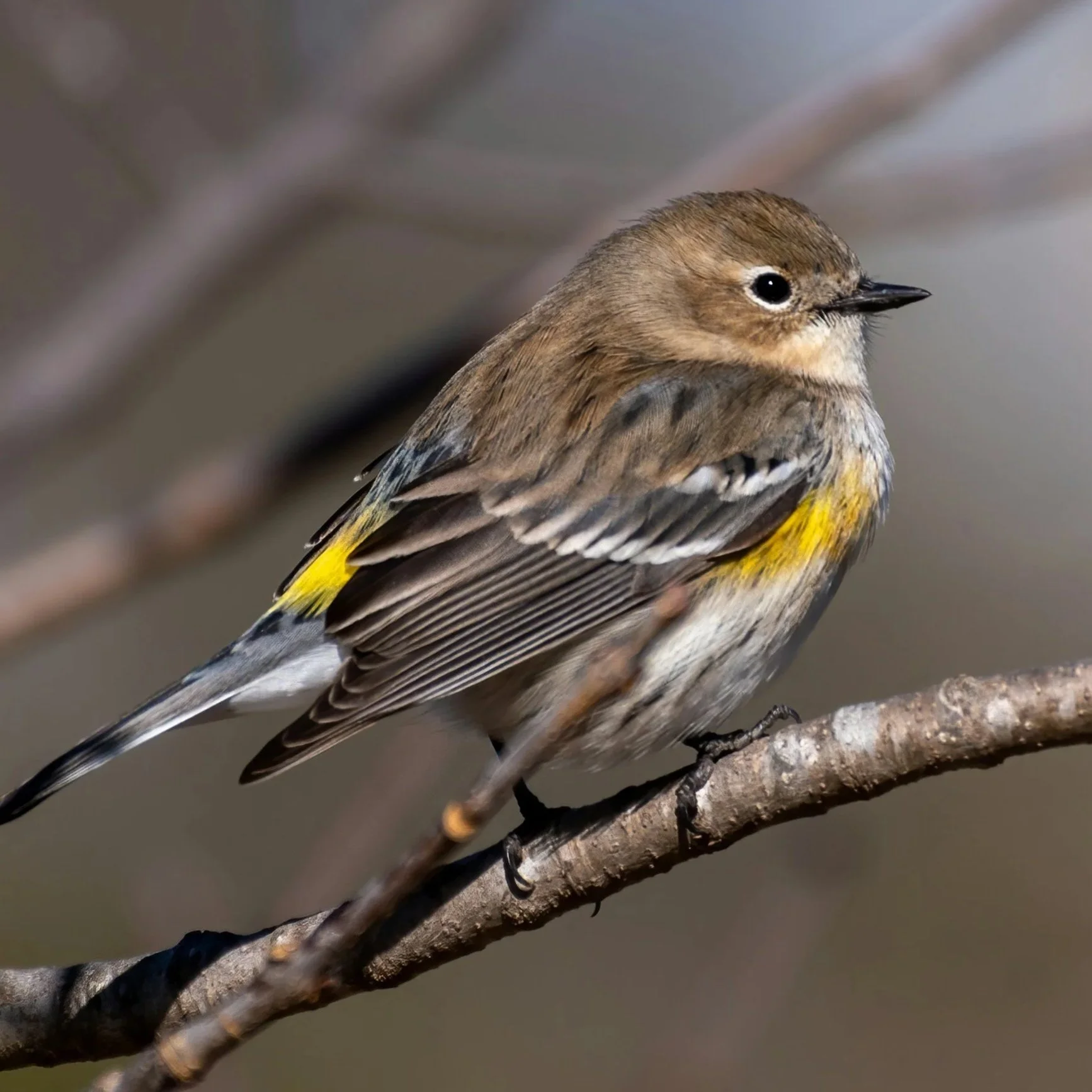
yellow-RUMPED warbler
(Setophaga coronata)
A widespread warbler recognized by its bright yellow rump patch. Unusually versatile for a warbler, it eats both insects and berries, allowing it to winter farther north than many other warbler species.
A striking forest warbler whose males combine deep blue upperparts with a black face and throat. It favors dense understory in mature forests.
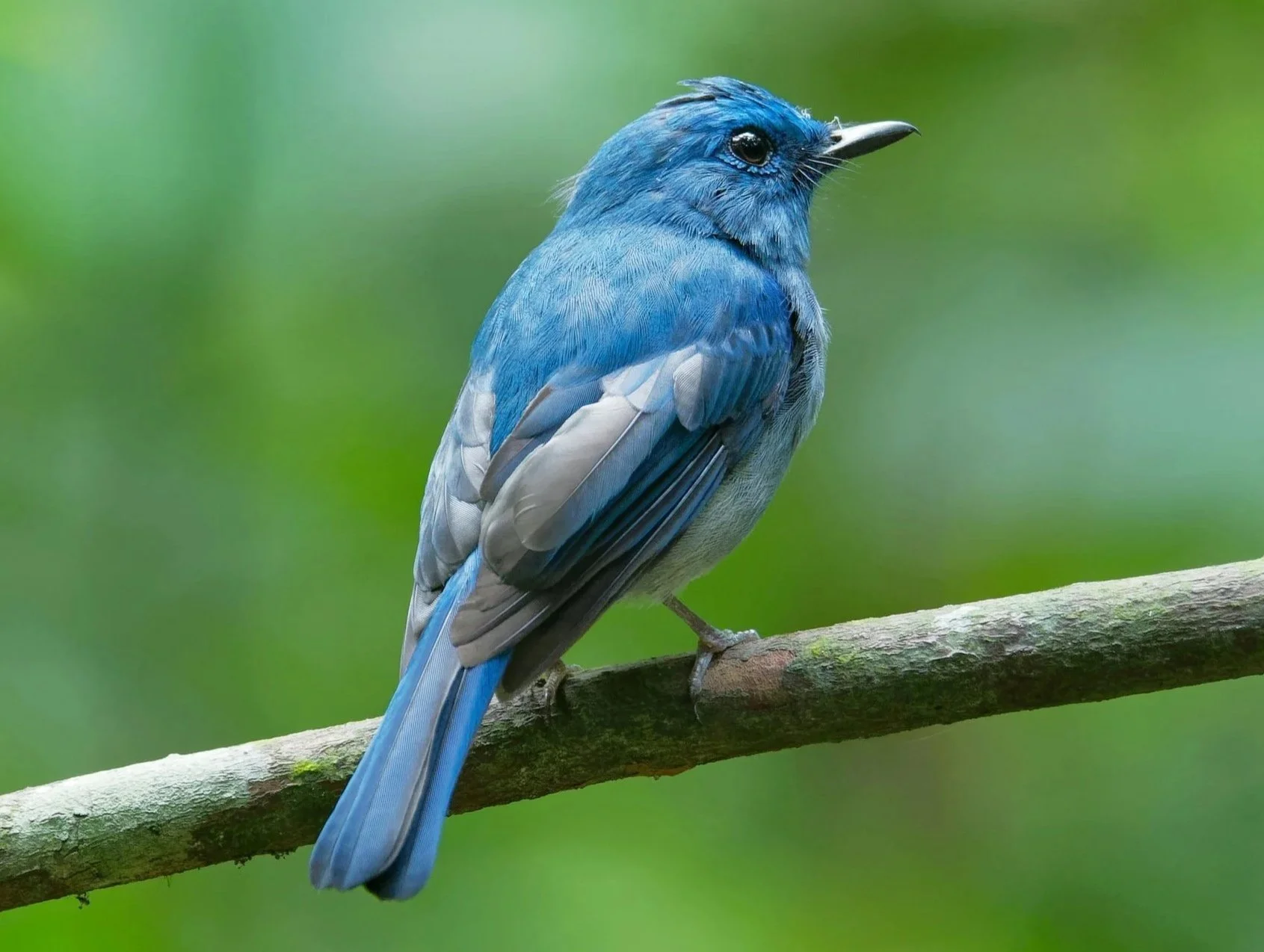
black-throated blue warbler
(Setophaga caerulescens)
The most widespread duck in the Northern Hemisphere. Males have iridescent green heads and bright orange bills; females are mottled brown for camouflage. Mallards are highly adaptable and the ancestor of most domestic duck breeds.
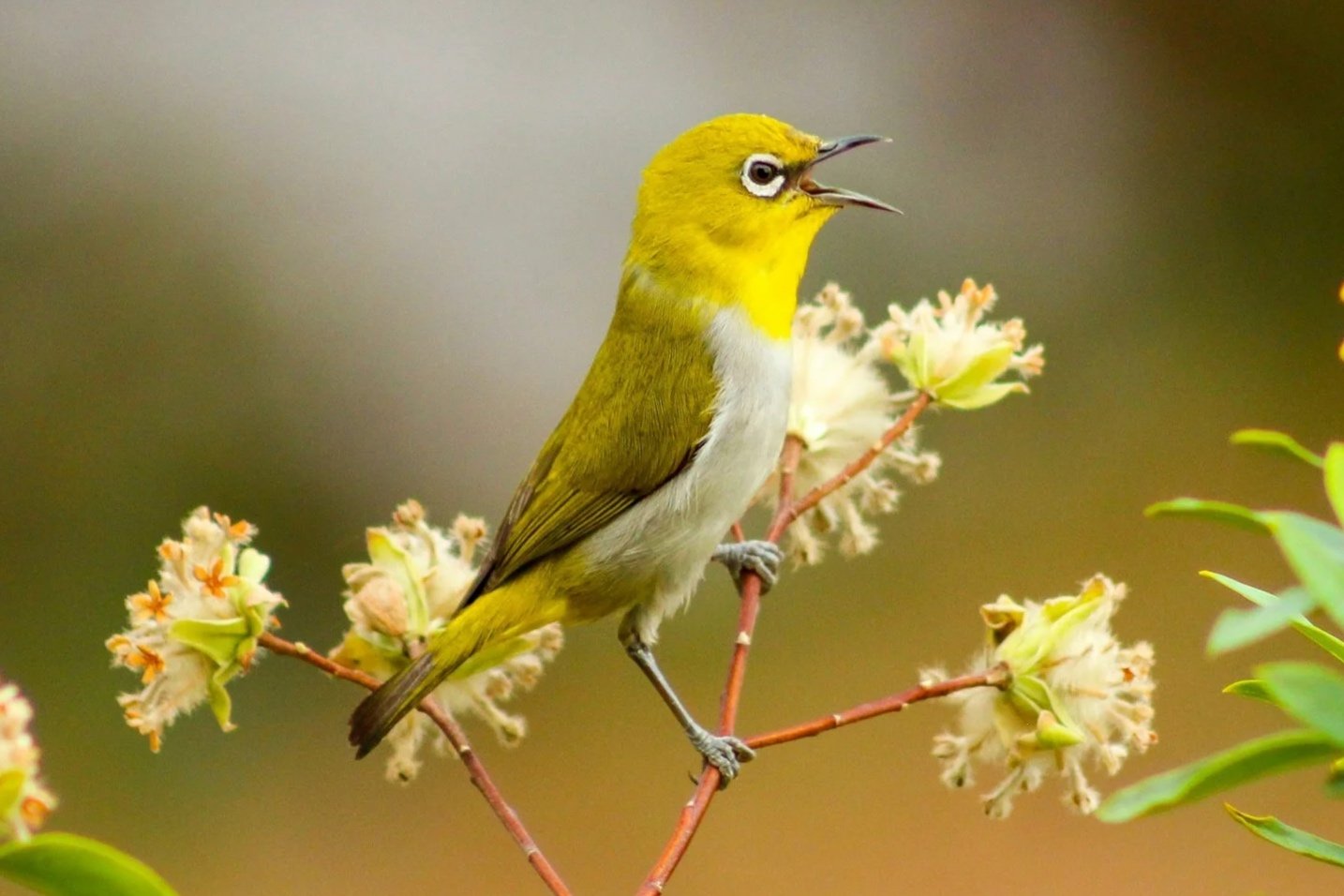
common yellowthroat
(Geothlypis trichas)
FACT OR FICTION?
-
FACT. Many warblers feed heavily on insects and other arthropods, searching leaves, bark, branches, and vegetation for tiny prey.
-
FICTION. Despite their tiny size, many species migrate thousands of miles between North American breeding grounds and wintering areas in Mexico, Central America, South America, and the Caribbean.
-
FACT. Many warblers are nocturnal migrants, traveling after dark and resting and feeding during daylight hours.
-
FICTION. Yellow is common among North American warblers, but the family includes birds patterned in blue, black, white, gray, orange, olive, and many combinations in between.
-
FACT: Because many migrate after dark, artificial lighting can attract or disorient migrating birds, particularly around buildings and other illuminated structures.
WHY WARBLERS MATTER.
Warblers are important insect predators and part of healthy forest, wetland, and shrub ecosystems. Because many migrate tremendous distances, their survival depends on suitable habitat across multiple countries and continents. Learning about warblers helps us understand how habitat loss, window collisions, artificial light, and other human activities can affect even the smallest birds.